Central Africa: Mass Container Flows at Kribi Reshape Intermodal Freight Dynamics
By investing in a bonded depot connected to the Kribi deepwater port, shipping giant Maersk is structuring its land-side logistics chain in Cameroon. This initiative highlights the key challenges of streamlining freight, optimizing containerized flows, and relieving congestion along regional logistics corridors in Central Africa.
A Strategic Inland Interface for Value Chain Control
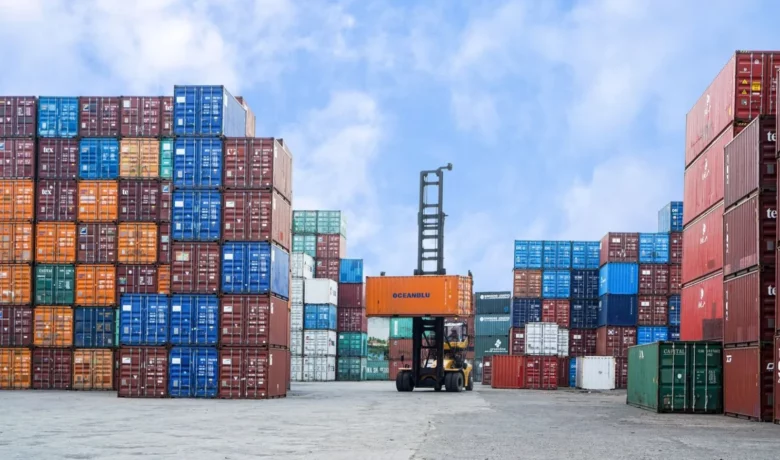
The deployment of land infrastructure is becoming a critical lever for logistics operators in the Gulf of Guinea. Maersk’s commissioning of a 16,000 m² container storage facility in Kribi reflects a drive to integrate its maritime and overland networks. Capable of handling an instantaneous storage capacity of 1,500 TEUs, the site centralizes handling, customs inspections, and cold-chain management through specialized reefer container equipment.
For regional shippers and exporters, such peripheral infrastructure is designed primarily to mitigate exposure to operational surcharges—particularly demurrage and detention fees caused by congestion at port terminals or off-dock private warehouses.
The Rise of the Kribi Hub and the Redistribution of Cargo Flows
This facility directly supports the expanding port capacities in the sub-region. Following the commissioning of Phase II of the container terminal in May 2025—adding 715 meters of quay and bringing annual capacity to approximately 1.2 million TEUs—the Kribi port platform now captures over a third of Cameroon’s national containerized traffic.
This rapid volume surge requires a proportional inland network to prevent bottlenecking upon discharge. A clearer division of roles is emerging between coastal and inland platforms: while Douala retains a major share of warehousing and urban distribution, Kribi is establishing itself as a dedicated maritime hub and primary gateway for cargo clearance.
Market Outlook and Strategic Implications
Expanding storage and freight-regulation capacity enhances the competitiveness of transit corridors linking Cameroon to neighboring CEMAC landlocked countries (Chad, Central African Republic). However, several key efficiency drivers remain to be addressed:
-
For carriers and logistics providers: The main challenge lies in synchronizing port terminal throughput with inland transport modes (road and rail).
-
For investors: Long-term replication of private interface models will depend on clear visibility regarding operational yields, local job creation, and service tariff structures.
-
For regional authorities: Harmonizing cross-border customs procedures remains the ultimate prerequisite to unlocking the full economic gains offered by expanded maritime infrastructure.