Supply Chain – Benin : strengthens agricultural export logistics with GDIZ vitroplant facility and Cotonou Airport fruit terminal
Benin is accelerating the modernisation of its agricultural supply chain through two strategic projects designed to support fresh produce exports. A new industrial vitroplant production facility at the Glo-Djigbé Industrial Zone (GDIZ) and a dedicated fruit terminal at Cotonou Bernardin Gantin International Airport are expected to improve production quality, reduce post-harvest losses and enhance the competitiveness of the country’s export-oriented agricultural value chains.
Benin invests in agricultural export logistics
As part of the Agricultural Value Chain Competitiveness and Export Diversification Support Project (PACOFIDE), the Government of Benin is investing in infrastructure aimed at strengthening the entire agricultural value chain—from production to international distribution.
A key component of the programme is an industrial facility capable of producing 13.5 million vitroplants annually, currently nearing completion within the Glo-Djigbé Industrial Zone (GDIZ). The facility will primarily supply certified, high-yield planting material for the country’s pineapple and cashew sectors.
For exporters, the project is expected to improve production consistency, secure a more reliable supply of raw materials and facilitate production planning to meet international market demand.
A dedicated fruit terminal to strengthen the cold chain
Alongside the vitroplant facility, Benin is constructing a fruit terminal at Cotonou Bernardin Gantin International Airport, creating dedicated infrastructure for handling fresh agricultural exports transported by air.
The facility will include cold rooms, refrigerated storage areas, freezers and specialised import-export handling zones.
Designed to handle up to 736 export pallets of fresh fruit, the terminal will primarily support pineapple exports as well as fresh vegetables and other horticultural products.
By strengthening the cold chain, the project aims to reduce post-harvest losses, preserve product quality and improve compliance with international phytosanitary and export standards—critical factors for accessing premium export markets.
GDIZ expands its role as an agro-industrial hub
The project also includes the development of 1,000 hectares on the former Glo-Djigbé airport site. These areas will serve as elite and demonstration fields where new pineapple vitroplants will be multiplied and evaluated before being distributed to producers.
The initiative is expected to increase agricultural productivity while ensuring a stable supply of raw materials for processing industries operating within GDIZ and for export markets.
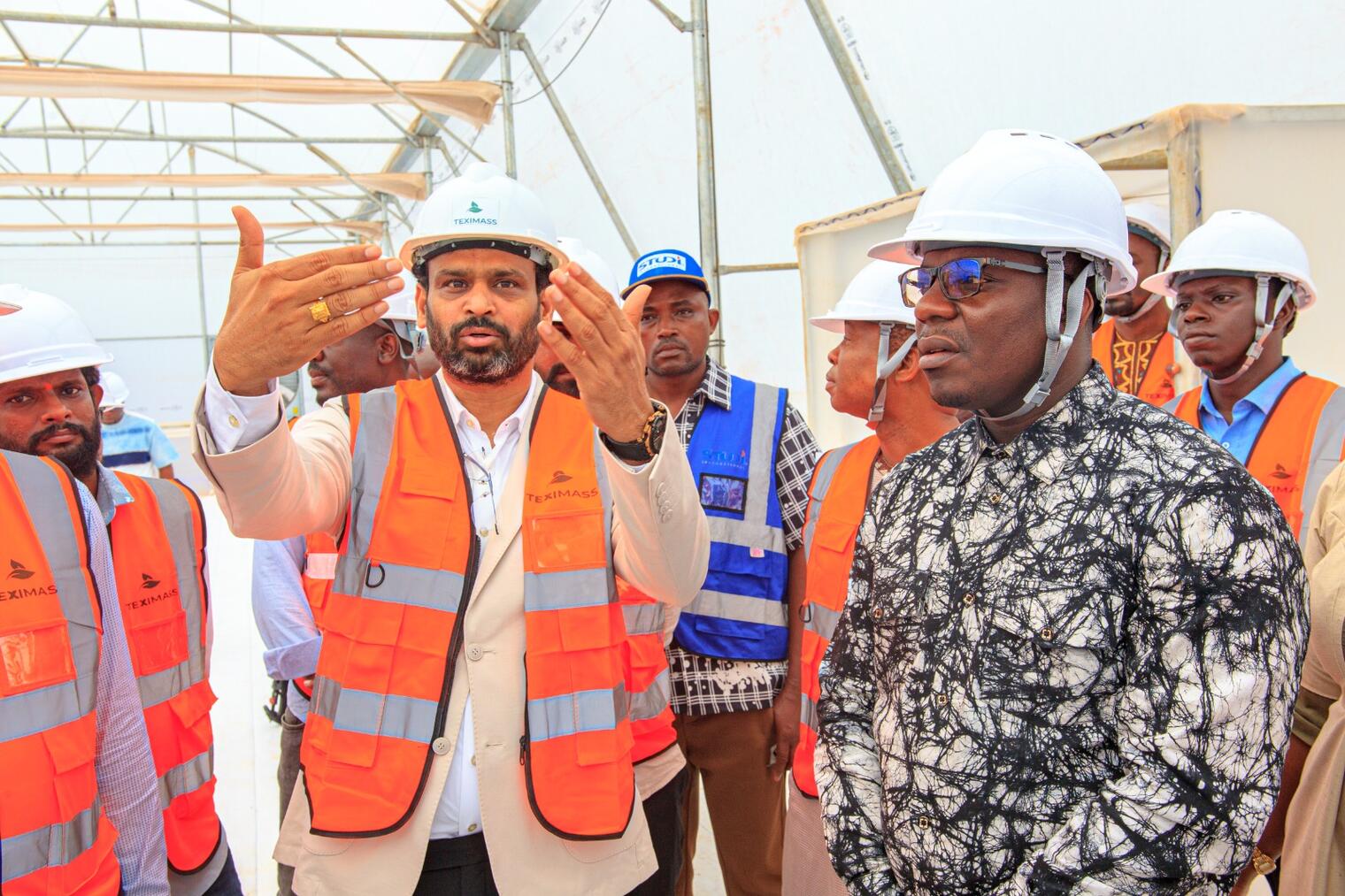
During a site visit on 3 July 2026, Minister of Agriculture, Livestock and Fisheries Adin Yeton Bloukounon Goubalan reviewed the progress of both projects, highlighting the strategic importance of seed technology and export logistics infrastructure in strengthening Benin’s agricultural competitiveness.
Why it matters
- A more integrated agricultural supply chain, connecting production, processing and export logistics.
- Lower post-harvest losses through expanded cold chain infrastructure dedicated to air freight exports.
- Greater export competitiveness, supported by improved product quality, more consistent production volumes and modern logistics infrastructure.
Regional perspective
Across Africa, governments are increasingly investing in integrated agro-industrial ecosystems that combine production, processing and logistics. With the continued expansion of GDIZ, the Port of Cotonou and now a specialised fruit export terminal at Cotonou International Airport, Benin is strengthening the logistics infrastructure needed to support value-added agricultural exports and regional trade under the African Continental Free Trade Area (AfCFTA).
By simultaneously investing in industrial vitroplant production and cold chain export infrastructure, Benin is strengthening two critical components of its agricultural supply chain. Beyond increasing production, these projects aim to make the country’s export value chains more reliable, more competitive and better connected to regional and international markets.