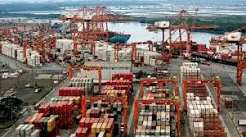

Liberia: $5.7 Billion Infrastructure Programme Targets Power Generation and Road Network Expansion
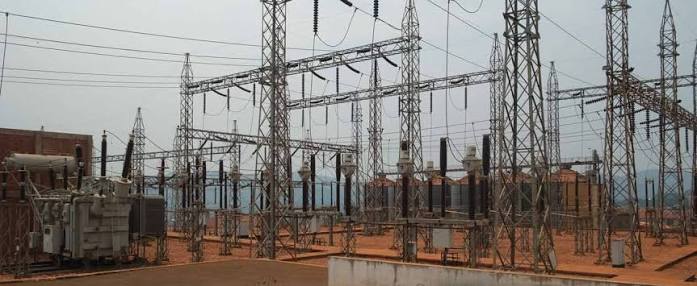
Road transport and energy infrastructure in Liberia are set for a major investment programme valued at US$5.7 billion. The agreement includes four power plants, electricity transmission infrastructure and road construction projects aimed at improving national connectivity and reducing transport constraints.
Liberia’s President Joseph Boakai has received a proposed Master Infrastructure Development Agreement (MIDA), negotiated between the government and mining company Bea Mountain Mining Corporation (BMMC). Announced on 23 November 2026, the programme combines electricity generation and road infrastructure development, with implementation planned over five years.
Four power plants and major road investments
The programme provides for the construction of four power plants with a combined generation capacity of 270 MW. It also includes three reservoirs intended to support hydroelectric generation, electricity transmission lines and improvements to the national power grid.
On the transport side, the agreement includes a 146-kilometre development road and a US$1 billion allocation for road rehabilitation and improvement across several parts of Liberia.
The investments target two major infrastructure constraints. Electricity access remains limited to approximately 33% of the population, while fewer than 20% of the country’s roads are reportedly paved.
For road freight operators, poor road conditions increase vehicle operating costs, extend journey times and complicate access to production areas and commercial markets. Improved road connectivity could facilitate the movement of goods, particularly between mining areas, regional markets and transport distribution centres.
Financing linked to mining revenues
The proposed financing mechanism relies on additional revenues expected from Bea Mountain’s mining operations, particularly those associated with higher gold prices.
These additional contributions would be allocated to infrastructure development, separately from the company’s regular payments to the national budget.
This approach could help finance long-term projects without relying exclusively on public borrowing. However, the agreement’s financial commitments, revenue allocation mechanisms and implementation guarantees still require closer examination.
The agreement was expected to be formally signed on 25 November 2026 before submission to Parliament.
Why this matters
Three operational issues will determine the programme’s impact:
- Lower transport costs: Improved road conditions could reduce vehicle maintenance expenses, shorten journey times and improve freight access to production zones.
- Greater industrial capacity: An additional 270 MW of electricity generation could support mining, processing industries and logistics facilities, provided transmission and distribution networks reach users.
- Improved regional connectivity: Better road infrastructure could strengthen links between production centres, domestic markets and neighbouring West African economies.
Liberia’s infrastructure programme in a regional context
The programme has implications beyond Liberia’s domestic economy. Better road connections and more reliable electricity could improve the country’s position within West African trade and logistics networks.
Within the ECOWAS region, infrastructure quality remains a major factor in the competitiveness of cross-border trade. Liberia’s road improvements could support connections with Côte d’Ivoire, Guinea and Sierra Leone, although the actual regional benefits will depend on the condition of connecting routes and border-crossing procedures.
The programme’s effectiveness will also depend on transparent procurement, environmental safeguards, parliamentary oversight and the participation of local construction companies and workers.
Implementation and oversight remain critical
The US$5.7 billion programme represents a significant infrastructure ambition for Liberia. However, its impact will depend on the conversion of financial commitments into operational assets.
For transport operators and investors, the priority will be to monitor construction schedules, road coverage, electricity distribution and the transparency of the financing mechanism.