
South Africa: Durban Port Delays Add Up to 20 Days to Supply Chains
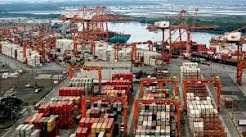
Ports & Maritime – South Africa. Congestion at the Port of Durban’s container terminal is disrupting import and export operations and increasing logistics costs for South African manufacturers. Vessel waiting times have reached 14 to 20 days, forcing some companies to turn to air freight or suspend production.
Port Congestion Disrupts Cargo Flows
Operations at the Port of Durban, South Africa’s main port facility, remain severely disrupted following the migration to a new IT system in mid-August 2026.
The transition initially caused a 26% to 30% decline in terminal throughput. The disruption subsequently spread across the logistics chain, affecting operations from vessel arrivals to the inland evacuation of cargo.
According to maritime consultant Dave Watts, some vessels have to wait up to 12 days before being handled, followed by several additional days alongside the berth.
In early October, average vessel waiting times at anchorage reached 8.3 days. Some shipping services experienced delays ranging from three days to more than a month.
Onshore operations are also affected. Trucks face queues lasting several hours and, in some cases, more than a full day.
Manufacturers Face Rising Logistics Costs
According to the South African Association of Freight Forwarders, the disruptions are adding approximately 20 days to affected supply chains.
These delays directly affect importers, exporters and manufacturers relying on imported production inputs. Companies face additional expenses linked to storage, cargo immobilisation and disrupted deliveries.
Some businesses are turning to air freight to maintain urgent supplies. Others have been forced to temporarily suspend production lines because essential components are unavailable.
The situation is also undermining inventory planning and the reliability of commercial delivery commitments.
Durban: Port Capacity Under Pressure
The Port of Durban handles approximately 60% of South Africa’s container traffic. Its slowdown therefore affects a significant share of the country’s international trade.
The current disruption comes against a background of chronic underinvestment and operational constraints. In 2023, the port ranked 398th out of 405 in the global port performance index cited by the source.
The Business Unity South Africa (BUSA) estimated that port congestion cost the economy nearly 98 million rand per day in 2023.
Transport Minister Barbara Creecy acknowledged that the timing of the IT system migration had been poorly planned. Several months may be required to clear the accumulated delays.
New cargo-handling equipment is expected in December 2026. A gradual improvement in operations is anticipated through February 2027, with a long-term target of reducing vessel waiting times to 24 hours.
Why This Matters
- For manufacturers: Delays increase procurement costs and expose production lines to supply shortages.
- For logistics operators: Vessel and truck immobilisation reduces equipment turnaround and increases operating expenses.
- For cargo owners: Unpredictable transit times complicate inventory management, delivery contracts and import planning.
Implications for Southern African Trade Corridors
The disruption at Durban extends beyond the port terminal itself. It can affect supply chains connected to Southern Africa’s road and rail networks.
The situation highlights the importance of coordination between ports, road transport operators, railway companies and customs authorities. For SADC economies, the performance of major port facilities directly influences the efficiency of regional trade.
The recovery of operations at Durban will depend on stabilising IT systems, increasing cargo-handling capacity and improving the inland evacuation of containers.
The congestion at the Port of Durban therefore remains a major operational risk for South African logistics, with direct consequences for industrial costs and regional trade competitiveness.