
DR Congo: Kenyan Transporters Urged to Suspend Non-Essential Trips Amid Security Risks
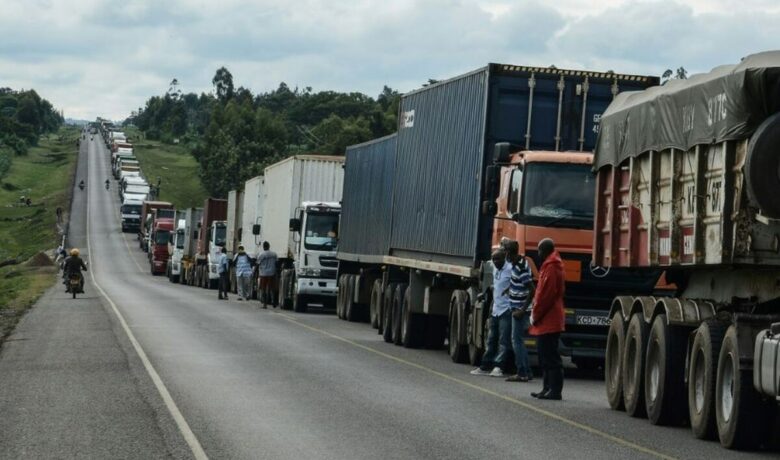
Road Transport — In the Democratic Republic of the Congo (DRC), growing insecurity along routes linking Mahagi to Kisangani has prompted Kenya’s Long-Distance Drivers and Conductors Association (LoDCA) to recommend suspending non-essential trips. Following the reported killing of a Kenyan driver and the temporary abduction of six other drivers, transport operators are being urged to reassess movements along key roads in the country’s eastern region.
Mahagi–Kisangani Corridor: Security Risks Threaten Freight Flows
In a safety alert issued on 14 October 2026, LoDCA called on transport companies to suspend non-essential movements along the Mahagi–Pimbo–Djugu–Bunia–Kisangani corridor.
The recommendation follows several incidents targeting road transport operators in eastern DRC. According to the association, six Kenyan drivers were among 12 people reportedly captured during an ambush. The six drivers were subsequently found safe, although the circumstances of their capture and release were not disclosed.
The trucks involved reportedly sustained damage, including broken windows, deflated tyres and removed number plates. LoDCA also reported the death of a Kenyan driver amid a series of attacks affecting transport operations in the region.
The association advised drivers already operating in affected areas to move to safe locations, remain in contact with fleet managers and follow instructions from local authorities and security services.
Road Transport in the DRC: Rising Operational Risks and Costs
The impact extends beyond driver safety. Suspended journeys and potential route changes could delay deliveries, reduce truck availability and disrupt fleet rotations along affected corridors. Transport companies may also need to immobilise vehicles temporarily, revise routes or introduce additional security measures.
These adjustments can increase operating costs and extend delivery lead times. Delays may also affect inventory planning and the regularity of supplies to businesses and communities in eastern DRC.
The latest incidents follow a series of attacks reported in 2026. In April, Kenyan driver Edwin Njuguna was reportedly killed in Bunia after his truck broke down. In August, four Kenyan drivers and their assistants were also reportedly killed in an attack along the Beni–Kisangani route.
Other constraints compound these security risks. Extortion, ransom demands, poor road conditions and prolonged delays continue to affect freight movements.
In March, a strike by foreign drivers following the death of a colleague reportedly left more than 200 fuel tankers stranded at the Anzida customs post near Mahagi, disrupting fuel supplies to Bunia.
Why This Matters
- Freight continuity: Suspensions and potential diversions could delay cargo deliveries to towns and commercial centres across eastern DRC.
- Transport costs: Vehicle immobilisation, longer transit times and additional security measures could put pressure on transport operators’ margins and increase logistics costs.
- Fleet safety: Companies may need to strengthen driver monitoring, revise journey plans and improve coordination with local authorities.
Regional Implications for Cross-Border Logistics
Freight movements between Kenya and eastern DRC depend on road corridors exposed to security threats and infrastructure constraints. Prolonged disruption could affect transport operators, traders and regional supply chains.
LoDCA has called on the Kenyan and Congolese governments, security services, transport regulators and regional trade organisations to improve cross-border coordination and information-sharing.
The association has clarified that it cannot impose a general suspension of operations. The decision rests with individual transport companies and the operators concerned.
For road transport operators in the DRC, the immediate priority is to protect drivers and reassess journeys along the Mahagi–Kisangani corridor. The evolution of the security situation will determine the continuity of freight flows and the conditions under which affected journeys can resume.