Ghana: Volta Economic Corridor Targets Inland Waterway Transport and Regional Logistics
Sector: Regional Corridors
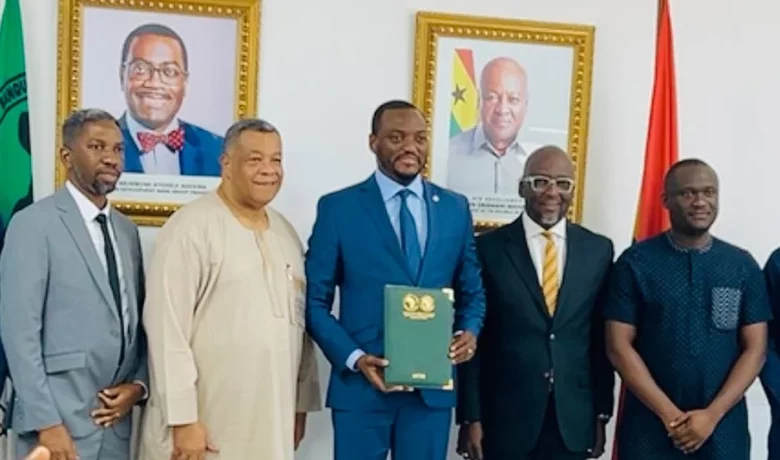
Ghana plans to turn Lake Volta into a multimodal transport corridor connecting agricultural and industrial production zones with regional markets. On 3 July 2025, the Ghanaian government and the African Development Bank (AfDB) signed a letter of intent to support the development of the Volta Economic Corridor, with the Ghana Infrastructure Investment Fund (GIIF) playing a central role in structuring the project.
Inland Waterway Transport in Ghana: Three Investment Priorities
The agreement covers the development of a corridor combining inland waterway transport, port infrastructure, agricultural production and industrial activities. The objective is to improve connections between Ghana’s production areas, domestic markets and cross-border trade routes, particularly those serving landlocked Sahelian countries.
The project framework provides for three special-purpose vehicles (SPVs) to oversee investments in three areas:
- Inland waterway transport and port infrastructure: Developing facilities needed to support cargo movements on Lake Volta.
- Agroecological parks and irrigation systems: Strengthening agricultural production capacity and links to commercial markets.
- Industrial parks and lakeside logistics zones: Developing industrial activities and supporting logistics infrastructure along the corridor.
Ghana’s 24-Hour Economy and Accelerated Export Development Programme (24H+) Secretariat will coordinate the project’s strategic implementation. GIIF will structure the investments and establish the dedicated vehicles responsible for delivery.
The AfDB, meanwhile, will assess co-financing options for key infrastructure components and seek to mobilise additional funding from development partners and private lenders.
The agreement marks a project preparation and financing milestone, not the start of confirmed construction works. The announcement does not specify total investment requirements, a construction timetable or an operational freight capacity.
What Could the Corridor Change for Logistics?
The project aims to strengthen domestic freight transport by making greater use of Lake Volta’s potential. In the longer term, better integration between inland waterway services, port facilities, industrial zones and agricultural production areas could improve cargo movements from farms and manufacturing centres to processing facilities and markets.
For logistics operators and cargo owners, the key requirement will be an integrated transport chain. This means adequate port facilities, reliable road connections, efficient cargo handling and storage capacity. Service frequency, transshipment costs and connections to major road corridors will also determine the corridor’s commercial competitiveness.
No figures have been released on expected freight volumes, potential cost savings or transit-time reductions. These indicators will be essential to assess the project’s operational and economic value.
Why It Matters
- For cargo owners: Inland waterway transport could provide an additional domestic freight option and improve access to certain production areas.
- For investors: The three SPVs are intended to structure financing and distinguish the investment requirements and risks associated with transport infrastructure, agriculture and industrial development.
- For regional trade: The corridor is designed to facilitate trade with Burkina Faso, Mali and Niger, subject to effective road connections and cross-border procedures.
Regional Implications for the AfCFTA
The Volta Economic Corridor forms part of Ghana’s broader strategy to strengthen its position in West African trade. For landlocked Sahelian countries, its potential value will depend on how effectively the inland waterway network connects with regional road corridors and existing commercial platforms.
Establishing a competitive multimodal freight chain will therefore require coordination between infrastructure providers, transport operators and customs authorities across the countries concerned.
Financing and Execution Will Determine the Outcome
The 3 July 2025 agreement opens a phase of financial and institutional structuring for the Volta Economic Corridor. The next milestones will be to clarify investment requirements, implementation schedules and operating arrangements.
These details will determine whether inland waterway transport in Ghana can deliver measurable improvements in regional logistics performance and support trade flows under the African Continental Free Trade Area (AfCFTA)