
AfCFTA: Wamkele Mene Urges Africa to Build an Integrated Internal Market Amid Global Trade Disruptions
Against a backdrop of growing fragmentation in global trade and mounting disruptions across Africa’s supply chains, AfCFTA Secretary General Wamkele Mene is calling on African countries to accelerate continental economic integration. The objective: strengthen logistics in Africa, streamline transport in Africa, and consolidate a resilient internal market capable of supporting African trade.
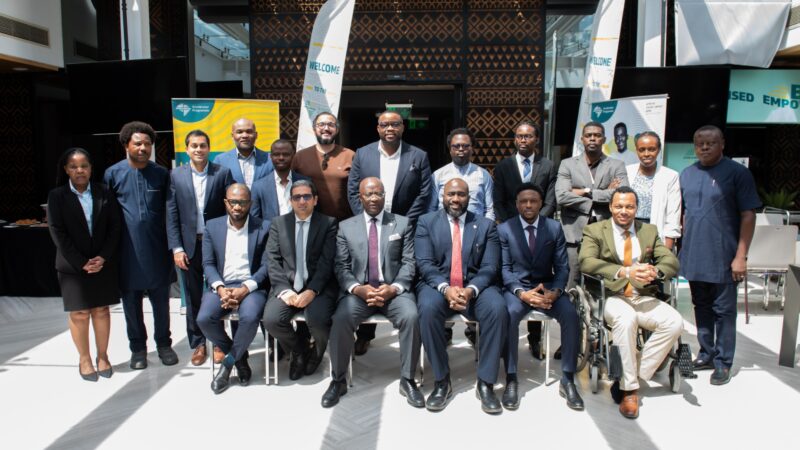
Speaking at the AfCFTA Friends Breakfast held on the sidelines of the World Economic Forum, Mene delivered a candid assessment of the structural weaknesses still constraining Africa’s supply chain ecosystem. He urged collective action around African logistics infrastructure, supply chain management in Africa, and greater coherence in trade policy.
Persistent Market Fragmentation Undermines Africa’s Supply Chains
According to the Director-General of the African Continental Free Trade Area (AfCFTA), decades of market fragmentation continue to limit the continent’s economic potential, despite Africa’s 1.4 billion people and a combined GDP estimated at nearly USD 3.4 trillion.
The coexistence of more than 40 currencies, low levels of industrialization, and Africa’s contribution of less than 3% to global trade illustrate these structural imbalances. These challenges are compounded by high costs across road transport in Africa, maritime transport in Africa, and air transport in Africa, which erode business competitiveness and extend import–export timelines.
The African Development Bank estimates Africa’s annual infrastructure financing gap at around USD 150 billion—an investment shortfall that directly affects African logistics corridors and the overall performance of supply chains across the continent.
Cross-Border Mobility and Regional Integration Remain Major Bottlenecks
Mene also highlighted persistent obstacles to the movement of people and goods, even within regional economic communities such as ECOWAS and the East African Community.
For the AfCFTA chief, this situation is no longer sustainable at a time when global markets are shrinking and international supply chains are becoming increasingly volatile.
AfCFTA Enters Its Operational Implementation Phase
Ratified by 50 countries, AfCFTA reflects strong political will to dismantle barriers to African trade and intra-continental investment. With technical negotiations now completed, the agreement is moving into an implementation phase focused on reducing infrastructure, logistics, and trade finance costs.
This transition is particularly strategic for African SMEs and young entrepreneurs, who are expected to drive innovation in transport and logistics in Africa while contributing to job creation.
Unlocking Domestic Capital: A Strategic Lever for Logistics in Africa
While AfCFTA facilitates trade in goods and services, it does not directly govern capital flows. National regulations, foreign exchange controls, and central bank requirements continue to constrain cross-border investment.
Mene called for stronger engagement with African central banks to better align financial frameworks with the continent’s commercial ambitions.
He also pointed to nearly USD 800 billion in illiquid domestic capital held by pension funds, sovereign wealth funds, and other African institutions. As official development assistance declines, these resources could become a cornerstone for financing African logistics platforms, supply chain projects, and industrial development.
Multilateral development banks and development finance institutions, he added, have a key catalytic role to play through instruments such as guarantees and political risk insurance to crowd in private capital.
Critical Minerals and Trade Negotiations: The Need for a Unified African Voice
Turning to critical minerals, Mene noted that while the African Union has developed a continental strategy, implementation remains limited, with most countries still negotiating individually with external partners.
He argued that Africa’s diverse mineral endowment requires differentiated investment strategies, anchored in shared principles to strengthen the continent’s collective bargaining power.
More broadly, Mene expressed concern over Africa’s fragmented approach to international trade negotiations. Unlike the European Union, the African Union currently lacks the legal authority to negotiate trade agreements on behalf of all member states—a weakness reflected in some bilateral engagements with the United States.
Building Africa’s Internal Market as a Pillar of Economic Resilience
For the AfCFTA Secretary General, Africa is at a critical juncture. As global markets contract, building a truly integrated internal market has become a strategic imperative.
Over the medium to long term, Africa’s demographic growth and expanding workforce will make market integration essential for boosting African trade competitiveness, strengthening supply chain management in Africa, and developing efficient African logistics hubs—particularly across West Africa, Central Africa, and Southern Africa.
Conclusion
More than a trade agreement, AfCFTA is emerging as a structural framework to transform transport in Africa, modernize African logistics infrastructure, and enhance the resilience of Africa’s supply chains. Looking ahead to logistics trends in Africa 2026, the continent’s ability to act collectively and mobilize domestic resources will largely determine its position in the global economy—and its capacity to convert vast potential into inclusive and sustainable growth.