Togo: World Bank Commits US$200 Million to Modernize Logistics and Transport Systems
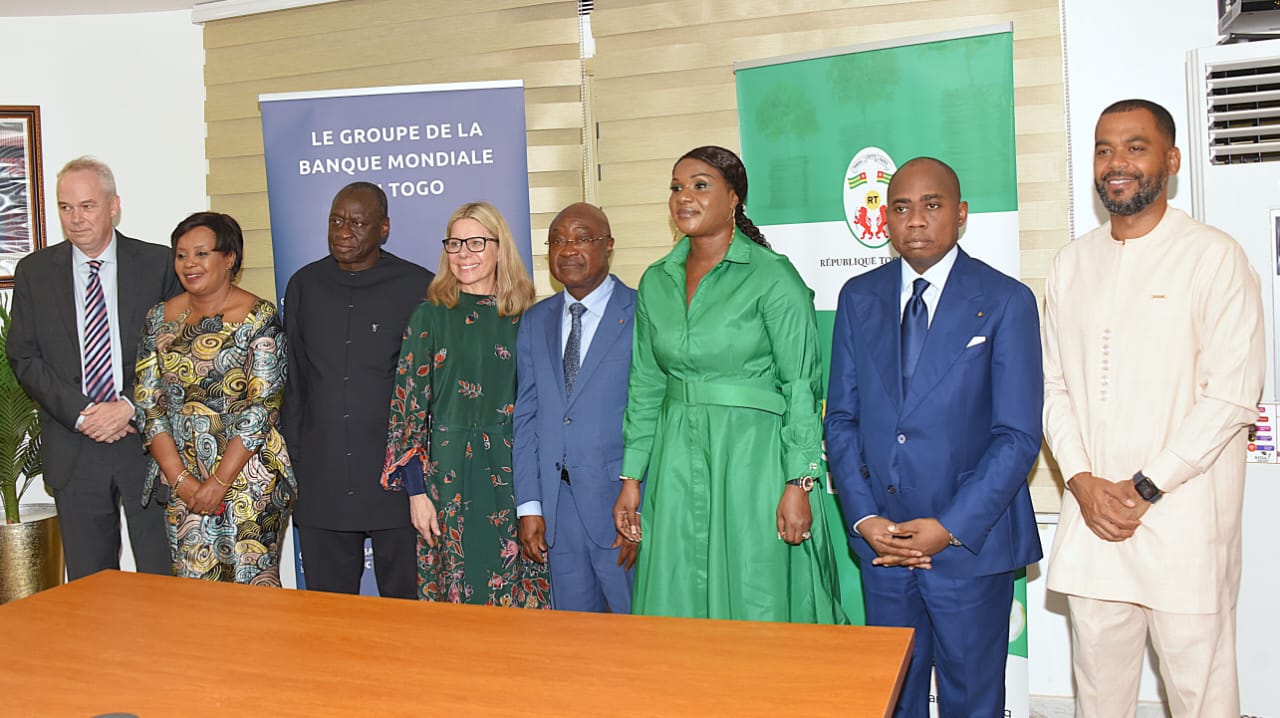
The Logistics and Transport Systems Improvement Program (PASLT) accounts for the largest share of a new US$429 million financing package signed between the Government of Togo and the World Bank. The initiative aims to strengthen connectivity between production areas, markets and logistics hubs, enhancing the country’s supply chain performance and regional competitiveness.
The Government of Togo and the World Bank Group have signed five new financing agreements worth US$429 million, with the Logistics and Transport Systems Improvement Program (PASLT) receiving US$200 million, nearly half of the total package. The investment underscores the strategic importance of logistics infrastructure in supporting Togo’s economic transformation and regional trade ambitions.
The agreements were signed during the official visit of Anna Bjerde, Managing Director of Operations at the World Bank, bringing the institution’s active portfolio in Togo to US$2.1 billion.
Transport and Logistics at the Core of Togo’s Development Strategy
The PASLT aims to modernize Togo’s transport and logistics systems by improving connectivity between agricultural production areas, peri-urban development zones, domestic markets and urban logistics centers. The project is expected to reduce transport costs, improve freight mobility and strengthen domestic supply chains while facilitating trade flows across the country.
The initiative aligns with Togo’s ambition to consolidate its position as a regional logistics hub in West Africa, leveraging the strategic role of the Port of Lomé, the region’s only naturally deep-water port capable of serving several landlocked countries.
Complementary Investments to Enhance Economic Competitiveness
Alongside the logistics program, the financing package also supports several strategic initiatives:
- US$100 million for the West Africa Regional Electricity Market Program (WA-REMP);
- US$40 million for the PRIME-GAS regional energy integration project;
- US$69 million in additional financing for the Regional Social Cohesion Project (COSO);
- US$20 million in additional funding for the West Africa Unique Identification for Regional Integration and Inclusion (WURI) programme.
According to the Togolese government, these projects support the implementation of the country’s 2026–2031 National Roadmap, which focuses on protection, social cohesion and economic transformation.
Port of Lomé Highlights Logistics Ambitions
Following the signing ceremony, the World Bank delegation visited the Port of Lomé as well as the coastal protection infrastructure developed under the West Africa Coastal Areas Management Program (WACA) in Goumoukopé.
The visit highlighted how investments in resilient coastal infrastructure and port facilities contribute to sustaining economic activity while reinforcing the Port of Lomé’s role as a strategic gateway for regional trade corridors serving Burkina Faso, Mali and Niger.
Why It Matters
- US$200 million is being invested directly in improving Togo’s logistics and transport infrastructure.
- The World Bank’s active portfolio in Togo has now reached US$2.1 billion, reflecting an expanding development partnership.
- The PASLT is expected to strengthen national supply chains, improve freight connectivity and enhance the efficiency of regional logistics corridors across West Africa.
Regional Perspective
For the African logistics sector, this financing reflects a broader trend in which development partners are prioritizing integrated investments that combine transport infrastructure, logistics platforms, energy connectivity and digital transformation. By strengthening its domestic logistics network while reinforcing the strategic role of the Port of Lomé, Togo is positioning itself to handle growing regional trade flows under the African Continental Free Trade Area (AfCFTA) and to improve supply chain efficiency for neighbouring landlocked economies.