

South African Citrus Gains Expanded Access to the Indian Market
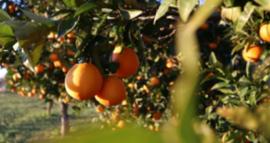
Trade & AfCFTA — South Africa and India: India has approved new cold-treatment options for fresh South African citrus after nearly a decade of negotiations. The development provides exporters with greater operational flexibility, although tariffs remain a constraint on competitiveness.
New Phytosanitary Access for South African Citrus
Agricultural trade — South Africa: India has approved additional cold-treatment options against fruit flies for fresh citrus from South Africa. The announcement was made on 18 August 2026 by the Citrus Growers’ Association of Southern Africa (CGA) and South Africa’s Department of Agriculture.
South Africa already exports citrus to India under several phytosanitary treatment protocols. The new options should give exporters greater flexibility in preparing and shipping fruit while meeting India’s phytosanitary requirements.

For a perishable-goods sector, treatment procedures, transport conditions and transit times are directly linked to the quality of products upon arrival.
Citrus: Logistics Flexibility Becomes a Market Access Issue in India
India is a market of nearly 1.47 billion people and one of the world’s major economies. The country is also a major citrus producer, creating both an established consumer market and a competitive environment for foreign suppliers.
South Africa has an advantage through its counter-seasonal production, which can help complement domestic supply when production cycles differ.
The expanded phytosanitary treatment options could make shipment planning more flexible and provide operators with additional options for managing citrus flows to India.
Why It Matters
- Greater operational flexibility: Multiple treatment options can facilitate cargo preparation and shipment planning.
- Quality protection: For fresh produce, treatment and transport conditions directly affect product quality at destination.
- Commercial potential: Improved phytosanitary market access could create additional opportunities to increase export volumes to India.
Tariffs Remain a Barrier
Improved phytosanitary conditions do not remove all trade constraints. South African citrus exports remain subject to Most-Favoured-Nation tariffs estimated at between 25% and 30%.
These tariffs put South African exporters at a disadvantage compared with some Southern Hemisphere competitors that benefit from preferential trade agreements with India.
The CGA is therefore calling for continued discussions on tariff conditions, particularly as part of the preferential trade agreement process between SACU and India.
A Regional Agricultural Trade Issue
For Southern Africa, access to the Indian market is an opportunity to diversify agricultural export destinations. A combination of improved phytosanitary access and lower tariff barriers could strengthen the competitiveness of South African citrus exporters.
The development also has logistics implications. Higher citrus flows to India would require close coordination between growers, packing facilities, transport operators, port operators and importers.
Conclusion: The expansion of phytosanitary treatment protocols improves market access for South African citrus exports to India, but long-term competitiveness will also depend on the evolution of tariffs and broader trade conditions.