Global Security and Logistics: Africa, a Strategic Link in International Resilience
Faced with tightening geopolitical tensions and recurring bottlenecks in major global straits, African stakeholders are establishing themselves as pivotal partners. From securing maritime corridors to responding to health crises, the continent is converting regional challenges into strategic opportunities to stabilize energy and trade flows. Here is an analysis of the security and economic levers positioning Africa at the core of global resilience.
Energy Redeployment and Supply Chain Support
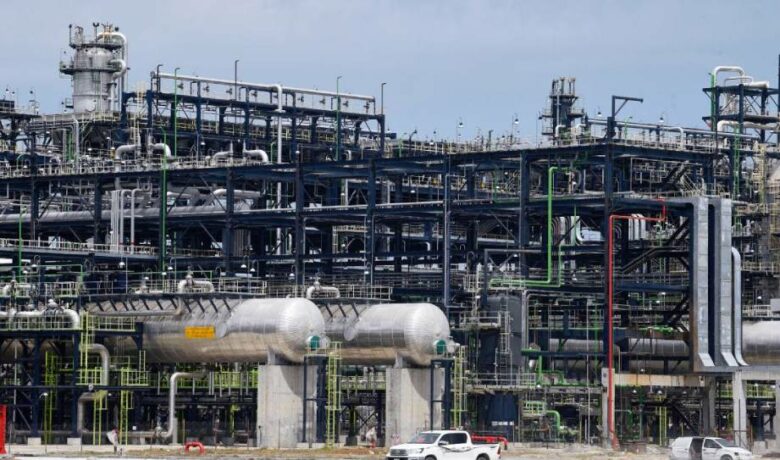
Recurring disruptions along major shipping routes, such as the Straits of Hormuz and Bab al-Mandab, drive up energy costs and fuel commodity volatility worldwide. To mitigate these bottlenecks, the continent’s refining capacity is reaching a new threshold. The commissioning of large-scale continental infrastructure—such as the Dangote refinery complex in Nigeria—helps sustain fuel supplies, particularly toward Europe and North America, while boosting exports of agricultural inputs like urea.
At the regional level, the integration of infrastructure networks, backed by multilateral financing mechanisms such as Afreximbank, aims to reduce East and Central Africa’s vulnerability to external oil shocks.
Maritime Area Stability: The Regional Cooperation Response
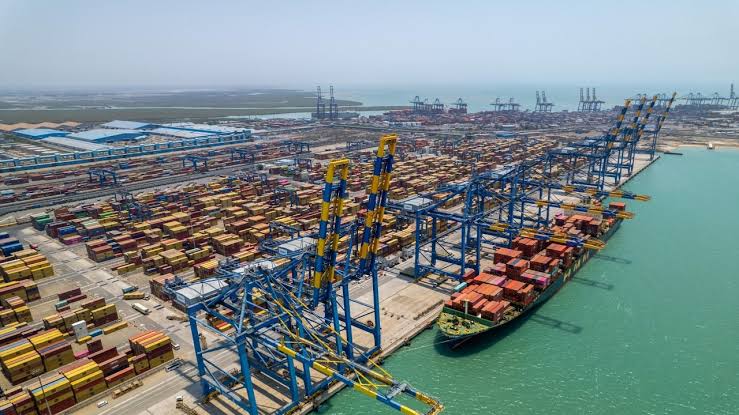
With more than 35 coastal nations situated at the crossroads of the Atlantic, Mediterranean, and Indian Oceans, Africa holds a critical position in international maritime trade. The increase in vessel transits via the Cape of Good Hope to bypass high-risk zones brings the governance of African waters back to the forefront.
The implementation of collaborative security architectures, such as the Yaoundé Code of Conduct in the Gulf of Guinea and the Djibouti Code of Conduct in the East, demonstrates the effectiveness of an integrated approach. Pooling intelligence and harmonizing regional legal frameworks remain essential conditions for securing commercial routes and countering piracy and illegal fishing.
Peacekeeping and Stabilization: African Leadership
In conflict resolution and counter-terrorism, operational deployment relies heavily on African forces and mediation efforts. From the Horn of Africa to Central Africa, contingents under African Union mandates or sub-regional agreements carry the burden of the most complex stabilization missions.
In parallel, diplomacy and mediation efforts led by the African Union and regional economic communities underscore a key trend: negotiated settlements involving local political engineering demonstrate greater durability when addressing transnational crises.
Human Capital Strengthening and Health Sovereignty
The continent’s strategic autonomy also relies on scaling up its military training institutions and health governance. With over 180 military higher education institutions, Africa is building internal expertise crucial to sustaining security sector reforms.
In the health sector, deploying emergency medical units and developing local vaccine manufacturing hubs (targeting 60% local coverage by 2040 under the guidance of the Africa CDC) form a central pillar for global pandemic prevention.
Outlook and Business Opportunities
Unlocking Africa’s full strategic role remains contingent on addressing major structural hurdles. Accelerating the African Continental Free Trade Area (AfCFTA) and reducing non-tariff barriers are imperative to lifting intra-African trade above current levels. Additionally, investments in maritime surveillance equipment and combating illicit financial flows remain top priorities for states and funding institutions. For investors and industrial players, the continent’s ability to secure its critical infrastructure will serve as the primary indicator for attracting new capital.