Ghana: New Volta Lake Port to strengthen cargo flows and ease pressure on Tema
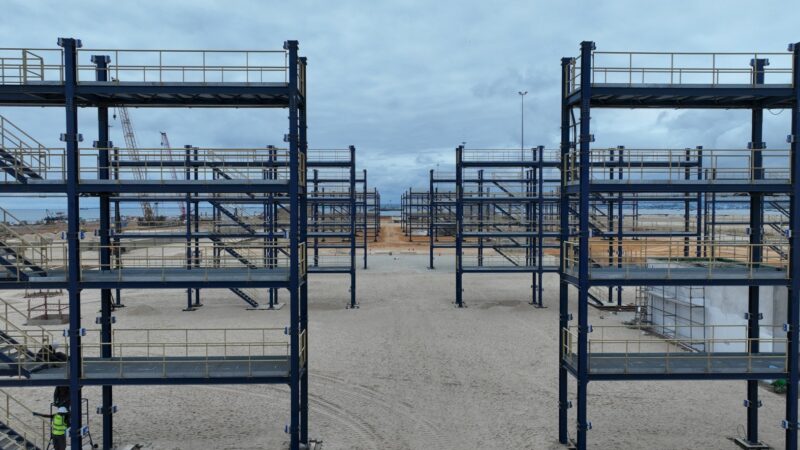
 the government is moving to develop a new port at Mpakadan on Lake Volta, with the aim of shifting part of the country’s cargo flows from road to a combination of rail, inland waterway and road transport.
The planned logistics chain would connect Tema Port to Mpakadan by rail, before moving containers by barge across Lake Volta to Buipe. From there, cargo would continue by road towards northern Ghana and potentially onward to landlocked markets in the region.
The project is designed to provide an alternative to the current road-heavy freight system between southern Ghana and the northern part of the country. By combining different transport modes, the government expects to reduce pressure on major highways while creating an additional route for moving containerised cargo.
Mpakadan as a rail-to-waterway transfer point
Mpakadan is expected to become a key intermodal transfer point, linking Ghana’s railway network with inland water transport on Lake Volta.
Cargo arriving through Tema could be moved by rail to Mpakadan and then transferred to barges. The waterway leg would take the freight towards Buipe, where road transport would handle the final connection to northern destinations.
This setup would give logistics operators another option for long-distance domestic freight movements and could reduce the dependence on direct trucking from Tema to northern markets.
The Transport Ministry has highlighted the potential of the project to reduce heavy-truck traffic on Ghana’s road network and limit the pressure placed on key transport corridors.
A potential route towards landlocked markets
The project also has a regional dimension. From northern Ghana, cargo could potentially continue towards Burkina Faso, Mali and Niger, strengthening Ghana’s position as a gateway for landlocked West African markets.
For freight operators, the interest lies in having an alternative to an entirely road-based journey from Tema. A rail–barge–road combination could diversify routing options, particularly for containerised cargo moving over long distances.
The development therefore fits into Ghana’s broader efforts to improve multimodal freight connectivity and strengthen regional trade infrastructure under the African Continental Free Trade Area (AfCFTA).
Reducing pressure on Tema and the road network
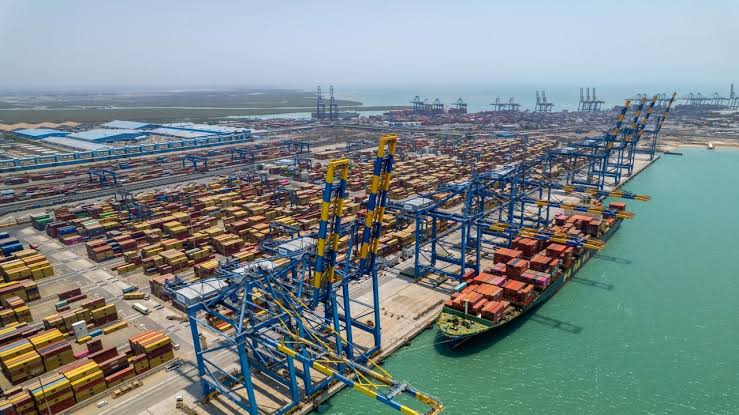
The planned port is also intended to support the decongestion of Tema Port by creating an inland distribution route for cargo moving towards the north.
Rather than replacing road transport, the model would redistribute freight between several modes. Rail would handle the initial inland movement, Lake Volta would provide the waterway connection, and trucks would cover the final distribution segment.
For supply chain operators, the effectiveness of the system will depend on the coordination of these different modes, including cargo handling, barge availability, rail capacity, transfer operations and road connectivity.
If these links operate reliably, the Mpakadan–Buipe route could provide Ghana with an additional inland freight corridor while reducing the number of heavy trucks travelling the full distance between the coast and the north.
The project could also generate logistics activity around Lake Volta, particularly in cargo handling, storage, distribution and transport services.