
University Transport in Nigeria: 240 Solar Electric Tricycles for Students
The Nigerian Federal Government has inaugurated an ambitious university transport program, the “Renewed Hope Campus Transport Scheme,” by deploying 240 solar-powered electric tricycles. This initiative, which aims to both ease the financial burden of student transportation and promote clean mobility, has been rolled out across 12 federal universities nationwide.
A Sustainable and Innovative Solution for Campus Challenges
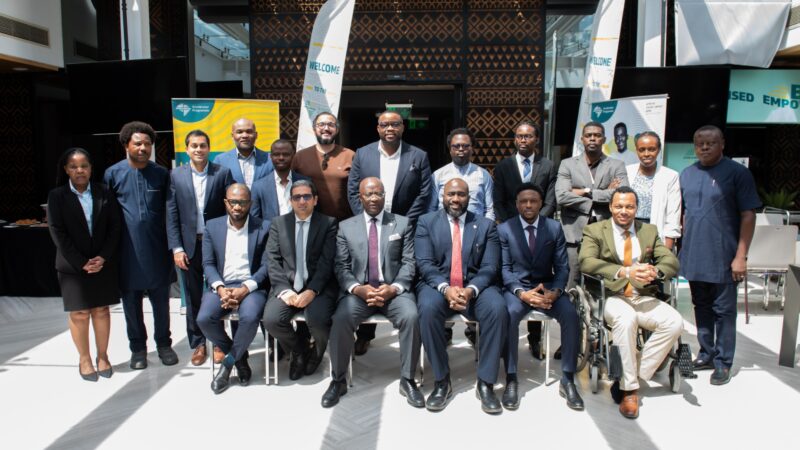
The official launch of the initiative took place at the University of Lagos (UNILAG). According to the Honourable Minister of Education, Dr. Maruf Tunji Alausa FAMedS CON, it is a direct response to President Bola Ahmed Tinubu’s instruction to design solutions that are “innovative, sustainable, and responsive to the needs of our young people.”
The scheme, implemented through the Tertiary Education Trust Fund (TETFund), features a simple yet effective structure:
-
Each of the twelve beneficiary universities received 20 electric tricycles (e-tricycles) powered by solar energy.

-
Each campus is also equipped with a dedicated solar-powered charging station, ensuring the self-sufficiency of the fleet.
The deployment covers all six geopolitical zones of Nigeria, guaranteeing wide national reach. Beneficiaries include UNILAG, Obafemi Awolowo University, University of Nigeria Nsukka, University of Benin, University of Jos, and Ahmadu Bello University.
Economic and Social Impact
Beyond the ecological aspect (promoting zero-emission transport), the primary goal is to enhance campus mobility while drastically reducing student expenditure. The federal government anticipates a cut of over 70% in transport costs for users.
The operational management of these fleets will be entrusted to the universities’ Student Union Governments. They will operate the tricycles at reduced, affordable fares, with the revenues generated earmarked for maintenance and future expansion of the program.
Expansion Prospects and Clean Energy
Minister Dr. Alausa used the event to announce further expansion of the green agenda:
-
Additional tricycles will be deployed during the TETFund 2026 cycle.
-
The government will finance the free conversion of 2,000 university staff vehicles to Compressed Natural Gas (CNG).
-
A significant step in energy autonomy was revealed for UNILAG, with the upcoming installation of an 11 MW solar mini-grid.
The Vice-Chancellor of UNILAG, Professor Folasade Ogunsola, hailed the initiative, calling it a “major boost” to the university’s green mobility agenda.
By focusing simultaneously on student welfare and sustainable innovation, the Nigerian government is setting an important benchmark for the African transport sector, transforming university campuses into practical laboratories for clean and affordable mobility solutions.