Transport and Transit in Central Africa: The Douala–N’Djamena Corridor Shifts into High Gear
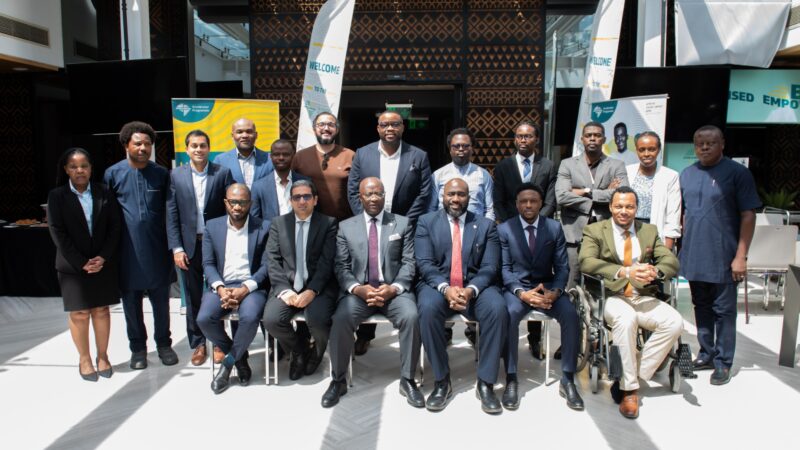
Meeting on 18 December 2025 in Yaoundé, key public and financial stakeholders of the Regional Project for Improving the Performance of the Douala–N’Djamena Rail/Road Corridor (PCDN) reaffirmed their commitment to accelerating the transformation of one of Central Africa’s most strategic logistics corridors. The first ordinary session of the National Steering Committee (COPIL), held at the Hilton Hotel under the chairmanship of Cameroon’s Minister of Transport, Jean Ernest Masséna Ngallè Bibéhè, marked a major milestone in the project’s operational rollout.
A strategic corridor for the Sahelian hinterland
A vital economic artery linking the Port of Douala to the markets of Chad and the Central African Republic, the Douala–N’Djamena corridor handles a significant share of import-export flows serving the CEMAC hinterland. Rail and road transport play complementary roles along this route, yet continue to face persistent structural challenges, including aging rail infrastructure, weak intermodality, administrative bottlenecks and cumbersome customs procedures.
In his opening address, the Minister of Transport highlighted Cameroon’s position as a regional logistics hub, stressing that the PCDN provides a concrete response to the dysfunctions undermining corridor competitiveness and driving up transport costs for economic operators.
Strong mobilization of financial partners
The session brought together all statutory members of the COPIL, alongside major technical and financial partners such as the World Bank, the European Union, the European Investment Bank, the African Development Bank and the French Development Agency. Their presence underscored the project’s regional importance and its strong potential impact on trade and economic integration in Central Africa.
Participants reviewed activities carried out since the project became effective on 13 June 2024. Management units for the rail and facilitation components presented detailed updates on progress achieved, challenges encountered and short- to medium-term outlooks. While acknowledging the advances made, the Committee issued guidance aimed at strengthening implementation efficiency and coherence.
A 2026 plan focused on rehabilitation and facilitation
A key outcome of the session was the review and approval of strategic orientations for 2026, along with the Annual Work Plan and Budget (AWPB), set at CFAF 11.12 billion—approximately 6.2% of the project’s total financing.
For the rail component, the AWPB provides for:
-
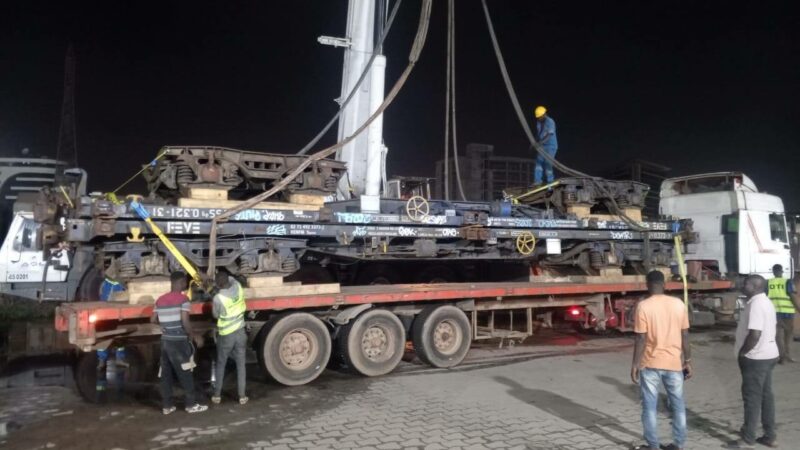
the procurement of equipment required for the rehabilitation of 238 kilometers of railway track between Douala and Yaoundé;
-
the recruitment of consultants responsible for project management and works supervision.
On the trade and transit facilitation side, priorities include:
-
the rehabilitation of the Ngaoundéré rail/road platform, a critical intermodal hub;
-
the acquisition of road safety equipment;
-
the financing of studies and actions aimed at streamlining transit, modernizing customs administrations and improving transport management.
Enhanced oversight for lasting impact
At the close of discussions, COPIL members reaffirmed their commitment to close and rigorous oversight of the project, to ensure adherence to timelines, transparent and efficient use of financial resources, and the swift resolution of any institutional obstacles.
Special recognition was given to the World Bank’s support through the International Development Association (IDA), amounting to €275.9 million—around CFAF 181 billion—considered a decisive contribution to the success of the PCDN.
Ultimately, the project is expected to deliver lasting improvements in the efficiency, safety and competitiveness of the Douala–N’Djamena corridor. For transport, logistics and supply chain stakeholders, the stakes are high: reduced transit times and costs, improved reliability of flows, stronger trade exchanges and deeper economic integration within the CEMAC region.
In a context of mounting pressure on regional supply chains, the modernization of this corridor more than ever stands out as a strategic lever for the economic development of Cameroon, Chad and Central Africa as a whole.