South Africa: TNPA Invests R375 Million to Upgrade Roads at the Port of Richards Bay
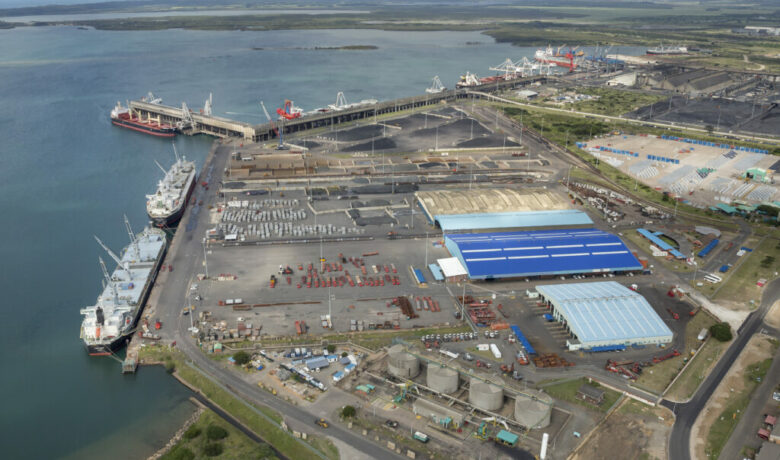
Ports & maritime and road transport: South Africa’s Transnet National Ports Authority (TNPA) is investing R375 million (approximately US$21 million) in upgrading the internal road network at the Port of Richards Bay. The 18-month rehabilitation programme aims to improve truck movements, reduce access constraints at terminals and strengthen the reliability of port operations.
Richards Bay: R375 Million to Upgrade Critical Port Access Roads
South Africa’s Transnet National Ports Authority (TNPA) launched a road rehabilitation programme in October 2026 at the Port of Richards Bay, in KwaZulu-Natal province. The project targets three major internal roads: Urania Road, Newark Road and Ventura Road.
These routes connect the port’s road access points to commercial terminals and cargo-handling facilities. They carry significant volumes of industrial vehicles and heavy trucks transporting goods between the port’s various operational areas.

Increasing heavy-vehicle traffic has accelerated the deterioration of road surfaces in recent years. This creates operational risks, including slower cargo movements, vehicle safety concerns and disruptions to logistics activities.
The rehabilitation programme includes several engineering works:
-
Strengthening existing road structures and widening selected sections.
-
Installing high-strength concrete road surfaces.
-
Upgrading drainage systems and stormwater management infrastructure.
-
Improving road safety installations and supporting transport infrastructure.
The objective is to provide road infrastructure capable of handling sustained heavy industrial and port traffic.
18-Month Programme Targets More Reliable Cargo Movements
The construction programme is scheduled to run for 18 months, following the start of on-site works in October 2026. According to TNPA, the project is expected to create approximately 72 jobs during the construction phase.
Beyond the physical rehabilitation of the roads, the investment addresses a key component of port logistics performance.
Better-maintained and properly designed access roads can reduce truck congestion, improve circulation between terminals and make cargo deliveries more predictable.
For road hauliers, terminal operators and cargo owners, the condition of internal port infrastructure directly affects delivery schedules, vehicle operating costs and supply chain reliability.
The programme is also intended to accommodate the port’s future operational requirements as South Africa seeks to improve the performance of its commercial port infrastructure.
Why This Matters
1. Improved road freight flows: Upgrading the three main routes should facilitate heavy-vehicle movements between port access points and commercial terminals.
2. Lower logistics costs: Stronger road surfaces can reduce vehicle wear, congestion-related delays and disruptions to cargo deliveries.
3. Greater port operational reliability: Improved internal infrastructure should support more consistent and predictable cargo movements.
Richards Bay’s Role in Southern African Trade Logistics
The Port of Richards Bay plays an important role in South Africa’s commercial infrastructure, particularly in the export of bulk commodities and mineral resources.
Its land-side infrastructure is therefore closely connected to the performance of supply chains linking production sites to port terminals.
Across Southern Africa, investment in road access, transport corridors and port capacity remains essential to improving regional trade competitiveness.
The Richards Bay rehabilitation programme highlights a broader logistics challenge: port performance depends not only on terminal capacity but also on the quality of the infrastructure used to move cargo into and out of port facilities.
Conclusion
Through its R375 million investment, TNPA aims to strengthen the road infrastructure supporting operations at the Port of Richards Bay. The programme’s success will depend on timely project delivery and measurable improvements in truck movements, cargo flows and port logistics reliability.