
Senegal: Dakar receives 100 electric taxis as part of 1,000-vehicle programme
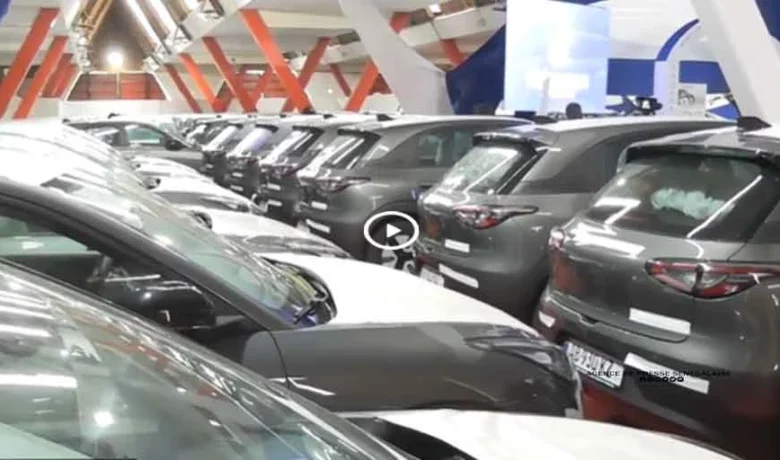
The Terrestrial Transport Development Fund (FDTT) handed over 100 electric taxis in Dakar on Thursday, 24 September 2026, as part of a programme targeting 1,000 vehicles. The initiative is aimed at renewing the taxi fleet and reducing reliance on conventional fuels.
100 electric taxis to support fleet renewal in Dakar
The first batch of vehicles was officially handed over at the International Centre for Foreign Trade of Senegal (CICES) in Dakar. The programme is being implemented by the FDTT in partnership with Banque pour le Commerce et l’Industrie (BCI), with the objective of facilitating access to financing for transport operators seeking to acquire electric vehicles.
The full programme covers 1,000 electric taxis, with financing estimated at around CFAF 13 billion. The vehicles are expected to be deployed progressively, with the programme scheduled to continue through the first quarter of 2027.
According to information provided by the programme organisers, the vehicles are equipped with air conditioning and geolocation systems and offer a range of more than 400 kilometres.
Operational impact of electric taxis on Senegal’s urban transport
For transport operators, the transition changes the structure of operating costs. Electric vehicles reduce direct exposure to fuel expenses, while increasing the importance of electricity supply, charging infrastructure and vehicle maintenance.
Charging capacity will therefore be a key operational issue as the fleet expands. Dakar will need sufficient charging infrastructure and appropriate maintenance arrangements to prevent charging constraints from affecting vehicle availability and daily taxi operations.
Financing is another critical component. The FDTT and BCI are supporting a mechanism designed to facilitate access to credit for transport professionals, allowing additional operators to join the fleet renewal programme.
Why it matters
● Fleet renewal: The 100 vehicles represent the first batch of a programme targeting 1,000 electric taxis.
● Operating costs: The transition shifts part of operators’ expenses from conventional fuel towards electricity, charging and maintenance.
● Charging infrastructure: Large-scale deployment will depend on the availability and geographic distribution of charging facilities.
A regional urban mobility trend
Senegal’s electric taxi programme reflects a broader shift in African cities towards the gradual electrification of urban transport fleets. Beyond vehicle acquisition, the transition involves financing, charging networks, maintenance capacity and the organisation of transport operators.
For Dakar, these factors will determine how quickly electric taxis can move from an initial fleet to wider-scale deployment across the urban transport network.
With the delivery of the first 100 electric taxis, Senegal has moved into the operational phase of its 1,000-vehicle programme. The next stage will depend on financing, charging infrastructure and maintenance capacity as Dakar expands its electric taxi fleet.