Relevant recommendations to accelerate the launch of the implementation phase of the Abidjan-Lagos Corridor Highway
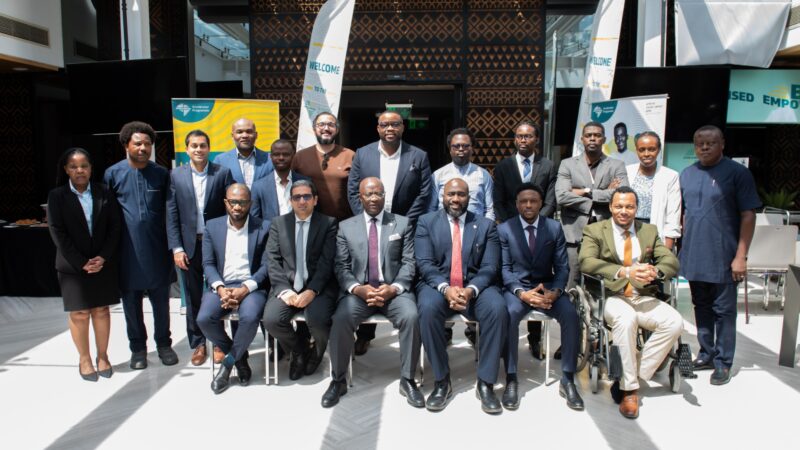
The 22nd meeting of the Committee of Experts of the Abidjan-Lagos Corridor Highway Development Project concluded on Thursday, 18 December 2025, in Lomé, Togo, with a series of recommendations.
At the close of the meeting, the project directors and engineers from the corridor’s Member States concluded that the final reports on feasibility, design and financing options provide a solid foundation enabling the transaction advisor to proceed to the stage of refining and structuring this supranational highway project.
They also agreed that the comments and guidance received from the ministries of these States during high-level bilateral presentations will guide the detailed structuring, packaging, project formulation, tendering and implementation of the project.
The participants also agreed that the recommended financing options for the respective sections are indicative and will be refined in close consultation with the competent authorities of these States.
The meeting also formulated recommendations addressed to development partners, the corridor’s Member States and the ECOWAS Commission.
With regard to the latter, it was requested to proceed as quickly as possible with the structuring of the project and the finalisation of the financial models for the highway construction works.
The ECOWAS Commission is also expected to accelerate the establishment of the Abidjan-Lagos Corridor Management Authority (ALCoMA) and the implementation of recruitment processes in order to ensure the full staffing of this structure, responsible for building, managing and operating the highway on behalf of the corridor’s Member States.
The participants took note of the revision of the intergovernmental agreement, which will be submitted for signature by the Ministerial Steering Committee of the project, and invited the ECOWAS Commission to follow up, together with Côte d’Ivoire, on the finalisation of the ALCoMA headquarters agreement.
With regard to the five Member States of the Abidjan-Lagos Corridor Highway, namely Côte d’Ivoire, Ghana, Togo, Benin and Nigeria, they are requested, in coordination with ECOWAS, to ensure the structured implementation of the recommendations on trade and transport facilitation and Spatial Development Initiatives, with a view to supporting the construction of the corridor highway.
These States are also called upon to preserve the project right-of-way and to initiate the land acquisition process.
Furthermore, the participants requested Côte d’Ivoire to finalise the allocation of the building intended to house the headquarters of ALCoMA.
With regard to the development partners, namely the African Development Bank (AfDB), the European Union (EU) and the World Bank, they are called upon to work directly with ECOWAS to design a unified implementation approach, rather than engaging individually with the corridor’s Member States.
Speaking at the close of the meeting, the Chair of the Committee of Experts, the Acting Director of Road Planning at the Federal Ministry of Works of Nigeria, Engineer Ebere Izunobi, expressed his gratitude to the participants for their valuable contributions and active participation in the proceedings.
He assured them that the various recommendations arising from the meeting will be submitted for the consideration of the Ministerial Steering Committee of the Abidjan-Lagos Corridor Highway Development Project.
This highway, it should be noted, is a major road infrastructure project in West Africa. Stretching over 1,028 kilometres, it carries 75 per cent of West Africa’s commercial activities and connects Côte d’Ivoire, Ghana, Togo, Benin and Nigeria. With an estimated cost of approximately USD 14.7 billion, it is expected to be financed through a mixed public-private financing model.
The implementation of this highway will mark a significant milestone in West African subregional integration. The delivery of this road infrastructure will constitute a key component of ECOWAS’s broader strategy to facilitate the free movement of persons and goods within the Community, strengthen trade cooperation, reduce transport costs, promote economic development and stimulate regional trade.