
Namibia Rail Freight: 35,000 Tonnes of Track Material Procurement Completed for SADC Network Upgrade
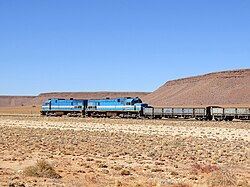
Namibia has reached a pivotal milestone in upgrading its rail logistics infrastructure following the completed procurement of 35,000 tonnes of rails and turnouts. This bulk acquisition aims to bring the national rail capacity up to SADC standards while strengthening freight throughput across key regional corridors.
Namibia’s rail and rail freight sector is accelerating the execution of its national infrastructure master plan in 2026. The Namibian government has secured 35,000 tonnes of heavy-duty track materials to modernize critical rail lines across the country, starting with the strategic Kranzberg–Otjiwarongo axle.
35,000 Tonnes of Rail Materials to Increase Axle Load to 18.5 Tonnes
According to the latest budget accountability report released by Namibia’s Ministry of Finance, the procurement order consists of 48 kg/m rails and high-strength turnouts. The primary technical objective is direct: raise the permissible axle load to 18.5 tonnes along the 207-kilometer Kranzberg–Otjiwarongo section, fully aligning the track infrastructure with SADC interoperability standards.
Construction Status by Package
-
Kranzberg–Otjiwarongo Line (207 km): Earthworks have reached 23% completion on Package 1 and 17% on Package 3 (50 km each). Procurement for earthworks contracts on Packages 2 and 4 has been finalized, and bridge designs are complete.
-
Sandverhaar–Buchholzbrunn Section (40 km): 12 km of earthworks are completed, 21,500 P2-type concrete sleepers have been delivered to the site, and construction across four bridges stands at 20% completion.
-
Ondangwa–Oshakati Line & Network Maintenance: Permanent way construction is progressing in the northern region, supported by ongoing preventive and corrective maintenance across nearly 1,000 km of operational tracks (Kranzberg–Otjiwarongo, Otjiwarongo–Tsumeb, and Ariamsvlei–Lüderitz sections).
Alongside physical infrastructure upgrades, the regulatory framework is shifting: the revision of Namibia’s primary railway legislation is now 50% complete to modernize sector governance for high-volume Namibia rail freight operations.
Why It Matters
Increased Payload Capacity: Upgrading track limits to 18.5 tonnes per axle allows heavier freight trains to run, reducing freight rates per tonne-kilometer for mining firms and industrial shippers.
Enhanced Corridor Throughput: Strengthening rail connectivity toward Lüderitz and hinterland corridors secures the evacuation of bulk and containerized cargo to maritime gateways.
Foundation for Cross-Border Expansion: Meeting SADC technical standards lays the direct foundation for upcoming greenfield corridor projects, including the Trans-Kalahari (to Botswana) and Trans-Zambezi railway lines.
Regional Integration Driving AfCFTA Logistics
Namibia’s railway overhaul fits into a broader effort to unlock trade bottlenecks in Southern Africa. By developing a high-capacity rail backbone linked directly to the ports of Walvis Bay and Lüderitz, the country consolidates its position as a regional logistics hub for landlocked neighbors like Botswana, Zambia, and Zimbabwe. Over time, standardized track parameters will streamline cross-border transit and operational connectivity under the AfCFTA framework.
Securing these heavy rail components eliminates immediate procurement bottlenecks, ensuring civil works and bridge construction remain on schedule across active packages.