
Chad Allocates CFAF 510 Billion to Road Infrastructure in 2027 Budget
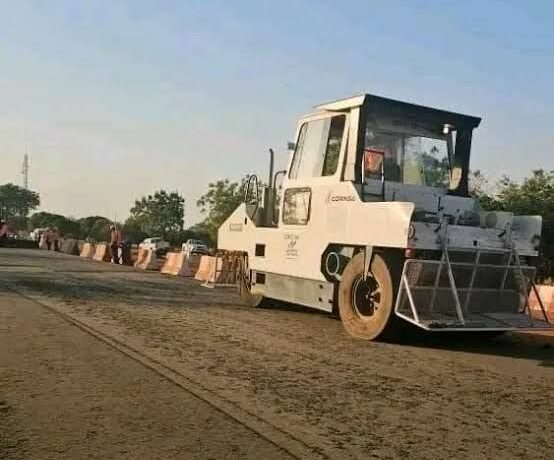
Chad’s road transport sector is set to receive significant funding in 2027. The investment budget adopted on 24 November 2026 provides for more than CFAF 510 billion for road infrastructure, with the aim of reducing the country’s landlocked constraints and facilitating domestic and regional trade.
Chad: Road Infrastructure Takes Centre Stage in the 2027 Budget
Road transport in Chad is becoming a major budgetary priority for 2027. In N’Djamena, parliamentarians approved an investment budget of CFAF 1,458.132 billion on 24 November 2026, representing a 24% increase compared with the previous financial year.
Under the National Development Plan, Chad Connection 2030, the government is placing transport infrastructure at the centre of its development strategy.
According to the parliamentary report cited by Alwihda Info, CFAF 420 billion from domestic resources and CFAF 90 billion in external financing will be allocated specifically to road infrastructure.
This brings the planned road investment envelope to CFAF 510 billion, intended to support the development of the national road network and improve connectivity between the country’s provinces.
Connecting Production Areas to Markets and Improving Freight Transport
For Chad, a landlocked country in Central Africa, road network performance is a critical factor in facilitating trade. Transport infrastructure must provide more efficient connections between agricultural production areas, economic centres and consumer markets.
Improved road conditions could also help reduce operational constraints faced by freight operators, including longer transit times, difficult access to markets, higher vehicle operating costs and unreliable supply chains.
Public investment financed through domestic resources is expected to reach CFAF 795.5 billion, compared with CFAF 618 billion in 2026. Externally financed investment stands at CFAF 662.6 billion.
This funding structure highlights the importance of both domestic financial capacity and the effective mobilisation of external partners in delivering the planned infrastructure programme.
Project Execution Remains a Key Challenge
Beyond the announced investment figures, the main challenge will be converting budget allocations into operational infrastructure.
The ability of local construction companies to deliver projects, the availability of financing and effective monitoring of construction works will determine the pace of implementation.
For transport operators and logistics companies, improved road infrastructure could facilitate transit operations, reduce traffic disruptions and make freight delivery schedules more predictable.
Why This Matters
– Lower logistics costs: Better road conditions could reduce vehicle maintenance expenses and delays.
– Improved market access: Production areas could benefit from more reliable connections to domestic and regional consumer markets.
– Stronger trade competitiveness: More efficient road freight operations could improve supply conditions and export capacity.
Regional Implications for Central African Transport Corridors
The development of Chad’s road network has implications beyond its national borders. As a landlocked country, Chad depends on regional land transport corridors to access seaports and international markets, particularly through Cameroon.
Upgrading domestic roads could strengthen freight connectivity between N’Djamena, border crossings and regional port facilities.
Improved road infrastructure would also support the continuity of regional supply chains and reinforce Chad’s position within Central African trade networks.
With CFAF 510 billion earmarked for road infrastructure in 2027, Chad is placing improved connectivity at the centre of its investment strategy.
The effective implementation of these projects will be crucial to improving road transport, reducing logistics constraints and strengthening the competitiveness of domestic and regional trade.