Morocco Road Transport: New 15-Day Fuel Relief Package as Diesel Prices Surge
The Moroccan government is launching an additional 15-day financial relief package to stabilize operating costs across the domestic road transport of goods and passengers. Facing rising diesel prices, online registrations open on the Mouakaba platform to cushion the immediate economic shock for national hauliers and fleet operators.
On November 3, 2026, the Moroccan government confirmed that applications for an extra 15-day exceptional fuel subsidy will open on Tuesday, November 10, via the Ministry of Transport and Logistics’ official Mouakaba portal. The intervention comes directly after a November 1 fuel price hike pushed diesel up by 1 dirham per liter, hitting nearly 17 dirhams per liter at select retail stations.
Direct Impact on Freight and Operational Costs
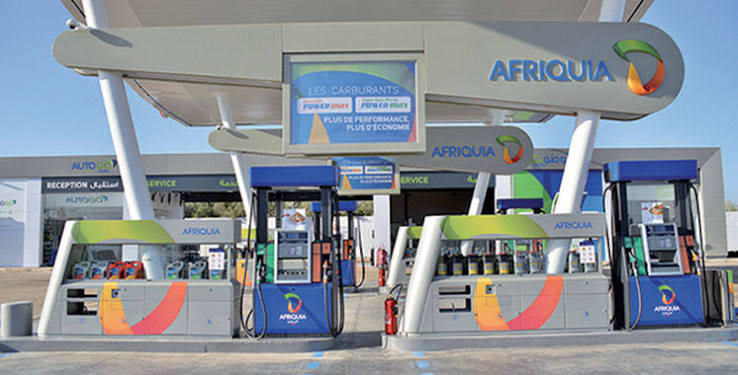
Diesel represents the single largest variable cost for commercial transport operators in Morocco. With fuel making up a substantial share of daily operating budgets, a 1 dirham/liter increase directly degrades profit margins on domestic freight routes and intercity passenger connections. By contrast, unleaded petrol registered a minor drop of 10 to 30 cents—a price movement that offers no relief to the heavy transport and logistics sector.
This emergency allocation continues the state’s targeted relief mechanism designed to buffer domestic supply chains from international petroleum price volatility. Qualified transport operators must complete digital applications on the Mouakaba platform to secure funds and mitigate immediate upward pressure on freight rates.
Why It Matters
Protection of Haulier Margins: Provides temporary absorption of rising per-kilometer fuel costs for heavy goods vehicles and passenger lines.
Supply Chain Price Stability: Helps prevent immediate rate surcharges from being passed down to shippers, distributors, and end consumers.
Digital Grant Processing: Streamlines application intake and tracking via the centralized Mouakaba administrative portal.
Perspective on Moroccan Freight Corridors
As energy market volatility persists, the durability of targeted direct aid remains critical for maintaining the efficiency of Morocco’s key trade and logistics corridors. While a 15-day extension offers brief financial breathing room, fleet managers and supply chain directors still face underlying structural vulnerabilities tied to international crude price swings.
This intervention secures short-term cash flow for transport businesses, but long-term cost stability across Morocco’s road transport network will ultimately depend on broader fleet modernizations and energy transition strategies.