Guinea Plans $1.9 Billion Deepwater Port to Support Simandou and Regional Trade
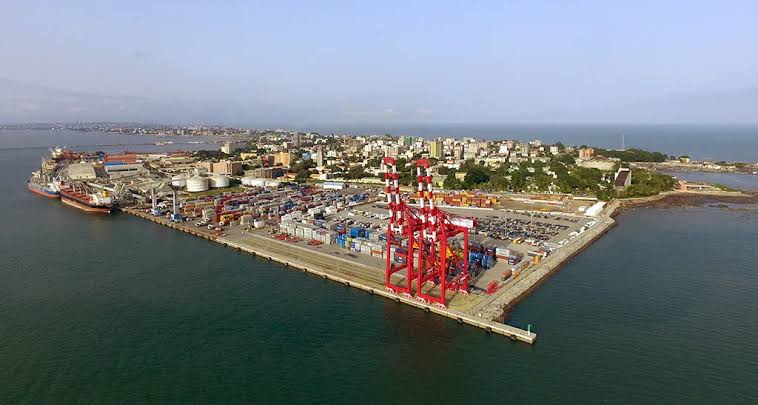
Ports & Maritime – Guinea. Conakry is seeking financing from American, Chinese and multilateral partners to develop a deepwater port estimated to cost $1.9 billion. Designed as a multi-user facility, the project aims to support the Simandou mining development and expand the country’s logistics capacity.
$1.9 Billion Port Project Seeks International Financing
Guinea has completed the feasibility studies for its proposed deepwater port and is currently holding discussions with several potential financiers. The announcement was made on 16 November 2026 by Guinea’s Minister of Mines, Bouna Sylla, in an interview with Reuters.
Potential financing partners include the US International Development Finance Corporation (DFC), the World Bank, the African Development Bank (AfDB), Africa Finance Corporation (AFC) and the International Finance Corporation (IFC). Chinese investors are also among the parties being approached.
The project is expected to have a 20-metre draft, allowing it to accommodate Capesize vessels with capacities of up to 200,000 metric tonnes. However, no specific timeline has been announced for investor selection or the start of construction.
Simandou at the Centre of Guinea’s Port Infrastructure Strategy
The proposed port is part of Guinea’s broader infrastructure development strategy linked to the Simandou mining project, estimated at approximately $20 billion. Simandou includes a 600-kilometre railway and an export terminal primarily designed to transport iron ore.
The proposed port would serve a different purpose. It is intended to accommodate mining operators, container traffic and industrial businesses. This multi-user approach is designed to pool port infrastructure and reduce dependence on facilities built exclusively for individual mining projects.
Guinea, the world’s leading bauxite producer, still relies heavily on railways and export terminals dedicated to specific operators. The proposed port could therefore change the organisation of export flows and expand access to port facilities.
Additional Port Capacity to Diversify Trade Flows
The project’s operational value will depend on its ability to handle different categories of cargo through a single infrastructure platform. Beyond iron ore and bauxite, container traffic and industrial activities could benefit from additional import and export capacity.
For logistics operators, several factors will be critical: port access conditions, railway and road connections, storage capacity and cargo-handling charges. The future terminal’s competitiveness will also depend on how effectively it connects with the infrastructure already developed around Simandou.
The project could provide an alternative to mining terminals dedicated exclusively to individual operators. However, its economic viability will depend on the financing model, commitments from future users and the actual cargo volumes expected.
Why This Matters
Maritime capacity: A 20-metre draft would allow the port to accommodate large vessels, potentially increasing cargo volumes.
Logistics integration: A multi-user facility could improve access to port infrastructure for businesses across several economic sectors.
Infrastructure financing: The involvement of American, Chinese and multilateral partners places the project within the broader competition for investment in African infrastructure.
Regional Implications for West African Trade Corridors
At the regional level, the project could strengthen Guinea’s position in mineral and general cargo trade across West Africa. A port open to multiple users could also attract industrial and commercial operators from neighbouring countries, provided that adequate inland transport connections are developed.
However, the project’s regional competitiveness will depend on access infrastructure, customs procedures and the ability to offer competitive transit costs.
The next stage will therefore be financial and operational: selecting investors, structuring the financing and establishing a construction timetable.
For Guinea, the proposed deepwater port represents an opportunity to turn its mineral resources into a broader logistics and trade platform.