DRC: World Bank Prepares 2027–2036 Partnership to Modernize Transport and Facilitate Trade
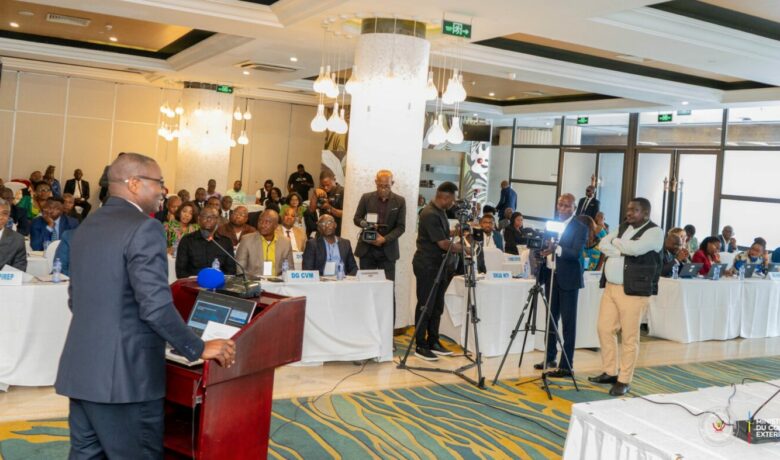
Regional Corridors — In the Democratic Republic of the Congo (DRC), a new partnership with the World Bank for 2027–2036 is expected to support transport infrastructure modernization and facilitate cross-border trade. Presented on October 12, 2026, in Kinshasa, the proposed approach prioritizes large-scale development programs built around the Inga, Lobito and Peace corridors.
DRC: A Decade-Long Framework to Strengthen Logistics Connectivity
The DRC and the World Bank are preparing a new Country Partnership Framework covering the ten-year period from 2027 to 2036. A dialogue workshop bringing together the transport and foreign trade sectors was held in Kinshasa on October 12, 2026, to help define the partnership’s priorities.
Albert Zeufack, the World Bank’s Country Director for the DRC, announced a shift in the institution’s approach, with greater emphasis on large-scale, integrated programs rather than a series of standalone projects. The Inga, Lobito and Peace corridors are among the proposed priorities for improving connectivity and supporting economic activity.
This approach comes as the DRC faces persistent challenges related to transport distances, infrastructure conditions and freight movement. The operational objective is to improve connections between agricultural and industrial production areas, domestic markets, border crossings and regional trade corridors.
Roads, Railways and Waterways: Infrastructure in Need of Modernization
According to figures presented during the workshop, the DRC has:
- 58,127 km of national roads;
- 85,000 km of agricultural feeder roads;
- 13,028.46 km of urban roads;
- 5,033 km of railway lines.
The country also has navigable waterways, seaports, lake and river ports, as well as airport infrastructure.
These assets provide a substantial foundation for freight movement. However, their effectiveness depends on infrastructure conditions, network connectivity and the ability of operators to transport goods without excessive delays or disruptions.
Modernizing transport infrastructure and border facilities is therefore among the priorities being considered under the future partnership.
No investment amount, detailed construction schedule or quantified target for reducing transit times was announced in the information released following the workshop.
Border Crossings: Reducing Freight Clearance Times
Foreign Trade Minister Julien Paluku Kahongya called for a clear roadmap supported by measurable indicators to track the partnership’s results. He highlighted one-stop border posts, which bring together the controls of neighboring countries at a single location.
This system can reduce duplicated formalities and shorten truck waiting times. For shippers and transport operators, the potential benefits include lower vehicle immobilization costs, more predictable deliveries and improved fleet utilization.
Achieving these gains will depend on coordination between government agencies, effective simplification of procedures and the implementation of the proposed reforms.
Why It Matters
- Logistics costs: More efficient corridors could reduce expenses associated with delays and vehicle downtime.
- Market access: More reliable transport links could improve the movement of agricultural and industrial goods to domestic and regional markets.
- Foreign trade: More efficient border procedures could support regional trade and implementation of the African Continental Free Trade Area (AfCFTA).
A Regional Strategy Centered on the Lobito Corridor
The proposed strategy extends beyond the DRC’s borders. The Lobito Corridor, in particular, is part of the broader trade and transport network linking the DRC with Southern Africa. Its effectiveness also depends on infrastructure quality and logistics coordination between neighboring countries.
The 2027–2036 partnership framework must now translate the announced priorities into investments, reforms and measurable targets.
For the DRC, the challenge will be to turn transport modernization into tangible improvements in transit times, logistics costs and foreign trade competitiveness.