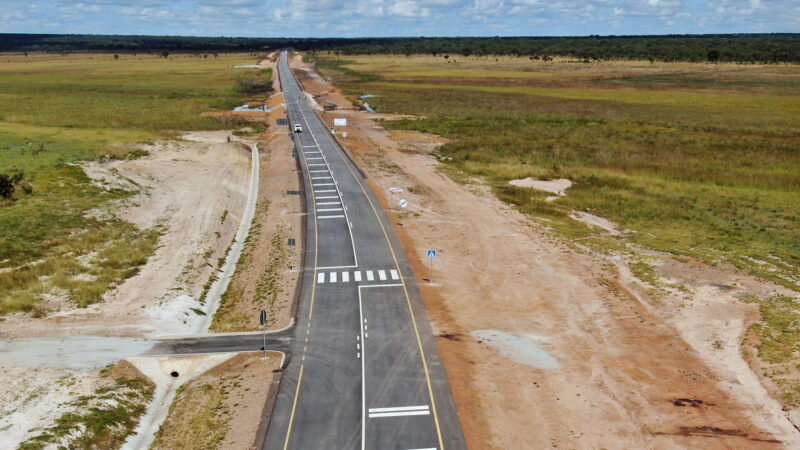

Cameroon Secures CFAF 139.2 Billion in Funding to Rehabilitate the Douala–Bafoussam Road.

Cameroon’s road transport sector is set to benefit from CFAF 139.2 billion in financing to rehabilitate National Road N5 and develop feeder roads. The project targets a strategic transport corridor linking Douala, the country’s main port hub, with the western part of Cameroon.
Douala–Bafoussam Road: CFAF 139.2 Billion in Financing
On 13 October 2026, in Bangkok, Cameroon signed a €212.35 million financing agreement, equivalent to approximately CFAF 139.2 billion, with the Islamic Development Bank (IsDB). According to the available information, the funding will support the rehabilitation of 218.9 km of National Road N5 and the development of 108 km of feeder roads.
The project covers a major road corridor used to transport goods between Douala and Bafoussam. Douala handles a significant share of Cameroon’s port and logistics activities, while Bafoussam is a major economic centre in the Western Region. The area serves as a hub for agricultural produce, commercial goods and industrial inputs destined for businesses.
The rehabilitation of N5 aims to improve traffic conditions along this route. Poor road conditions, congestion and traffic disruptions can increase heavy-goods vehicle journey times, vehicle maintenance costs and the risk of delivery delays.
Implications for Road Transport Costs in Cameroon
For transport operators and freight customers, the project’s operational impact will depend on the quality of the works, the implementation schedule and traffic management arrangements during construction.
A rehabilitated road surface can reduce driving constraints, limit vehicle wear and tear, and improve delivery-time predictability. The development of 108 km of feeder roads should also be assessed in terms of connectivity between the main corridor and the relevant production and commercial areas.
However, the available information does not specify the detailed construction schedule, procurement arrangements or expected reductions in journey times and logistics costs. These factors will be essential in determining the actual benefits of the investment.
Why It Matters
- Potential reduction in operating costs: Improved road conditions may reduce vehicle repairs, tyre wear and fuel consumption associated with difficult driving conditions.
- More reliable deliveries: Upgrading the corridor could help stabilise transit times between Douala and markets in western Cameroon.
- Improved access to economic areas: Feeder roads may help connect production zones and businesses to the main road network, depending on their location and final condition.
A Regional Logistics Priority
The improvement of the Douala–Bafoussam road forms part of a broader effort to enhance transport corridors connecting port infrastructure with inland economic centres. In Cameroon, the performance of these links directly affects some of the costs businesses face when sourcing supplies and distributing goods.
Across Central Africa, reliable road infrastructure remains an important factor in the competitiveness of regional trade. However, the project’s long-term benefits will depend on implementation quality and continued road maintenance after construction is completed.
The rehabilitation of the Douala–Bafoussam road therefore represents a CFAF 139.2 billion investment in Cameroon’s road transport infrastructure. Its impact on transit times, transport costs and supply chain reliability will need to be assessed against the implementation schedule and measurable results on the ground.