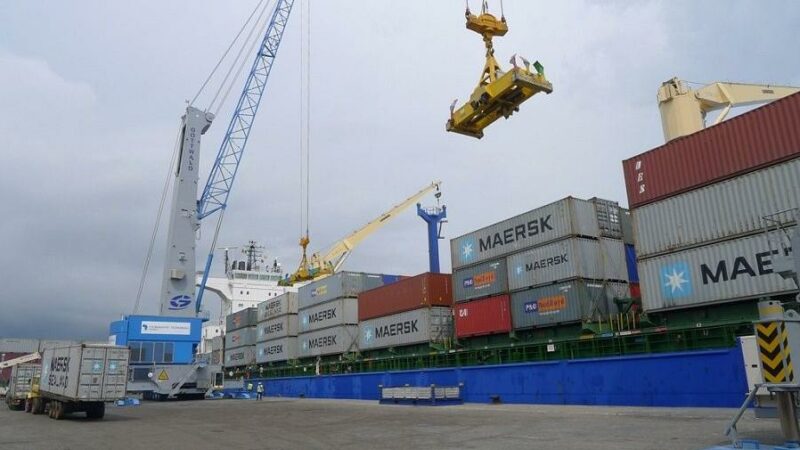

South Africa: Transnet Commits R6.6 Billion to Locomotive Maintenance
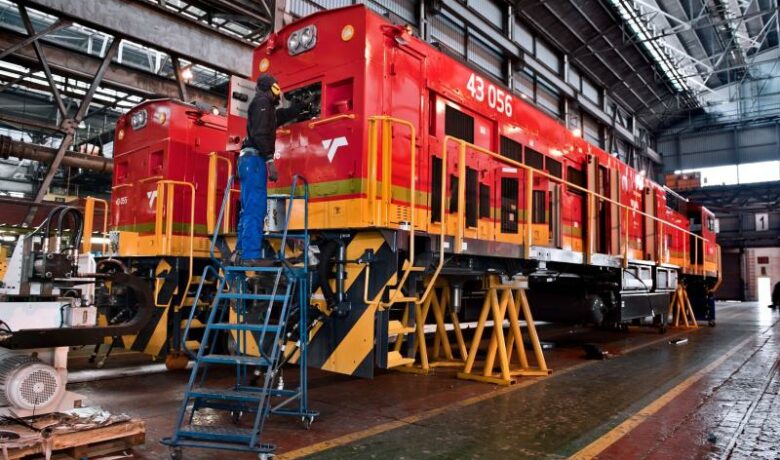
Rail & Freight Transport — In South Africa, Transnet Engineering and Wabtec have signed a R6.6 billion long-term material and technical support agreement to improve the availability of diesel locomotives used for freight transport. The deal targets maintenance constraints on key rail corridors carrying export commodities, containers and general freight.
Transnet Targets More Reliable Freight Operations Through Predictive Maintenance
Signed on 15 October 2026 and announced on Friday, 16 October, the material and technical support agreement (MTSA) covers Transnet’s Class 43D (C30Aci) and Class 44D (ES40Aci) locomotives. Valued at approximately R6.6 billion, the contract includes component supply, technical expertise and enhanced maintenance capabilities.
These locomotives support freight movements across South Africa’s rail network. Their availability affects Transnet’s ability to transport export commodities, containers and general cargo. Extended periods of downtime can disrupt locomotive rotations, reduce effective transport capacity and complicate shipment planning, particularly for freight moving towards ports.
The agreement aims to improve equipment reliability and accelerate maintenance interventions. It comes as rail freight performance remains a key factor in the efficiency of South Africa’s supply chains and the competitiveness of its exports.
Digital Monitoring to Support Predictive Maintenance
Wabtec will supply components, technical expertise and predictive maintenance capabilities. The package includes its Expert-on-Alert digital condition-monitoring platform, designed to monitor locomotive performance and identify potential technical issues.
Operationally, the system is intended to help maintenance teams detect problems earlier, schedule interventions more effectively and limit unplanned locomotive downtime. For Transnet, these capabilities should support fleet availability and make freight operations more predictable.
However, the agreement does not specify quantified targets for reducing downtime, increasing the number of available locomotives or expanding freight capacity. The actual impact will depend on component availability, maintenance execution and measurable improvements in fleet performance.
Skills Transfer and Local Industrial Capacity
The partnership also includes technical collaboration, knowledge transfer and localisation initiatives. These measures are intended to strengthen local railway maintenance capabilities, develop industry skills and support the long-term sustainability of South Africa’s rail sector.
The agreement was signed by Bessie Mabunda, Managing Director of Transnet Engineering, and Tefo Mokaila, Wabtec South Africa’s Director, in the presence of Solly Letsoalo, Transnet Group’s Chief Operating Officer. According to SAnews, the agreement followed Transnet’s established procurement and governance procedures.
Why This Matters
- Freight capacity: Improving locomotive availability could help reduce service disruptions and support the movement of goods across key freight corridors.
- Logistics costs and lead times: Predictive maintenance can help limit unexpected breakdowns and improve maintenance planning, provided the expected operational gains are achieved.
- Local industrial development: Knowledge transfer and localisation could strengthen domestic maintenance expertise and reduce some technical dependencies.
Regional Implications for Southern African Freight Corridors
South Africa’s rail performance matters to regional mining, industrial and trade supply chains. The reliability of export corridors affects cargo movements towards ports and coordination between rail services, terminals and maritime operations.
The regional impact will depend on actual improvements in service reliability and Transnet’s ability to translate maintenance investment into more consistent freight flows.
For South Africa’s supply chain, the R6.6 billion agreement represents a long-term commitment to improving rail freight reliability. The key indicators to monitor will be locomotive availability, unplanned downtime and service regularity across the affected corridors.