Nigeria: APM Terminals advances Badagry Deep Seaport project
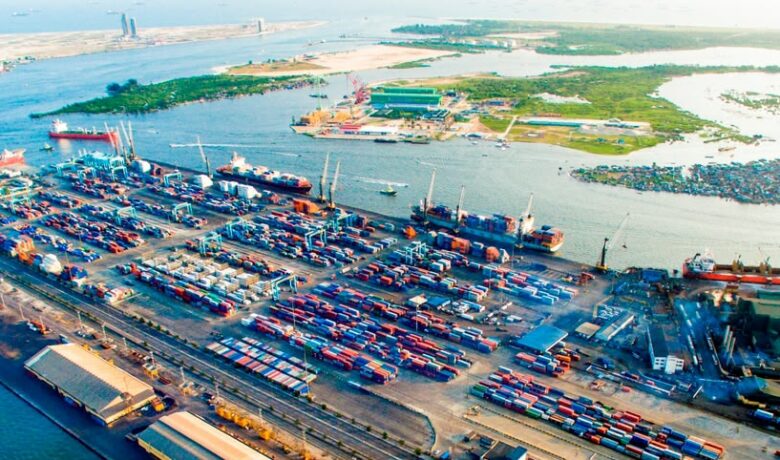 APM Terminals signed a Memorandum of Understanding (MoU) on 8 September 2026 with Badagry Port Development Limited to explore the development of the Badagry Deep Seaport in Lagos State. The project represents a potential investment of around $2.5 billion and could expand Nigeria’s capacity for containerised cargo and transshipment operations.
A $2.5 billion deep-sea port project
The agreement between APM Terminals and Badagry Port Development Limited opens a period of exclusive negotiations focused on the development of the proposed deep-sea port.
The project is expected to provide infrastructure capable of handling larger vessels and supporting transshipment activities. For Nigeria, the development would add capacity to the Lagos port system and provide additional infrastructure to accommodate growing cargo volumes.
APM Terminals already has a significant operational presence in Nigeria. The company operates the Apapa Container Terminal in Lagos and the West Africa Container Terminal (WACT) in Onne, Rivers State.
Hinterland connectivity will be critical
The development of a new port will not, however, be sufficient on its own to improve cargo flows. The future performance of Badagry Deep Seaport will also depend on its connections to road networks, logistics platforms and inland markets.
The efficient evacuation of containers towards Lagos, Nigeria’s main economic centres and regional markets will therefore be a key operational issue. Customs efficiency and the capacity of inland transport corridors to handle additional volumes will also influence the port’s competitiveness.
The project comes as APM Terminals continues to develop its existing operations in Nigeria. According to figures released by the company, the Apapa terminal recorded a 6% increase in export volumes during the first half of 2026.
Another development in West Africa’s port network
The Badagry project comes as ports across West Africa compete to attract additional container traffic, transshipment operations and cargo serving inland markets.
Its deep-water positioning could allow the future port to accommodate larger vessels. Its commercial and logistical performance will nevertheless depend on the speed of cargo evacuation, the quality of hinterland infrastructure and its ability to efficiently serve Nigerian and regional markets.
At this stage, the MoU represents a development and negotiation milestone. The project’s final investment structure, implementation schedule and construction timeline have yet to be determined.
For Nigeria’s logistics sector, the key challenge will be to increase maritime capacity while ensuring efficient and competitive cargo evacuation towards the country’s hinterland and the wider West African market.