Nigeria Prioritises Transport Infrastructure to Reduce Logistics Costs
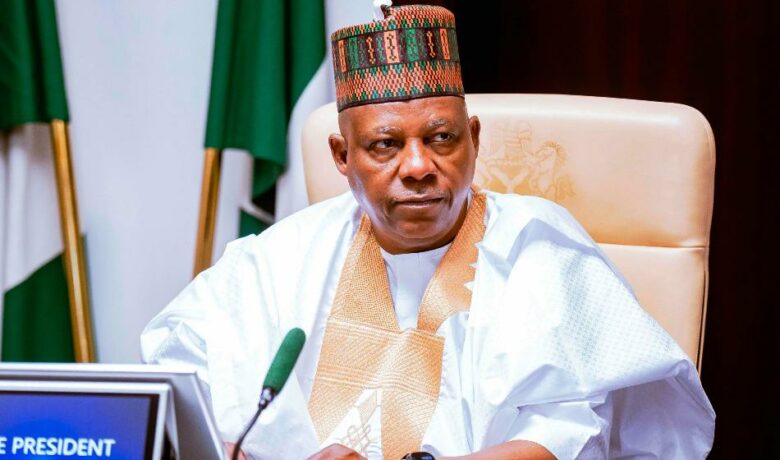 The Nigerian government is prioritising investment in highways, rail corridors, ports, clean mobility and logistics infrastructure as part of efforts to improve connectivity and reduce the cost of moving people and goods across the country, Vice President Kashim Shettima said.
Speaking in Abuja on September 7, Shettima said transport infrastructure remains a key focus of President Bola Tinubu’s administration, with connectivity viewed as an economic necessity.
Transport infrastructure at the centre of connectivity
The Vice President said the government is focused on infrastructure that can make transport operations more efficient and reduce the cost of movement for operators.
The approach covers several transport modes, including road networks, rail corridors, ports and logistics infrastructure, indicating a broader focus on improving connections between different parts of Nigeria’s transport system.
For freight operators, better connectivity can affect transit times, vehicle operating costs and the reliability of cargo movements between production areas, distribution centres, ports and markets.
Lowering the cost of moving goods
Nigeria’s large domestic market depends heavily on the movement of goods by road, while rail and maritime infrastructure provide alternative channels for longer-distance and bulk freight.
The government’s infrastructure focus is therefore linked to the need to reduce the cost and operational constraints associated with transporting goods across the country.
Improved road and rail corridors could also strengthen connections to Nigerian ports and logistics hubs, creating more efficient links between inland markets and international trade gateways.
A multimodal approach
The reference to highways, rail corridors, ports, clean mobility and logistics infrastructure points to an approach that goes beyond individual projects.
For the supply chain sector, the effectiveness of these investments will depend on how well the different modes connect with each other and whether infrastructure improvements translate into more predictable cargo flows.
Better integration between road, rail, maritime and logistics facilities could help operators optimise transport routes and reduce pressure on individual corridors.
Transport operators remain a key link
Shettima made the comments while inaugurating the National Working Committee of the National Structure of Transporters for Tinubu/Shettima 2027 in Abuja.
He highlighted the role of transport workers in connecting communities and moving people and goods across the country, describing them as direct witnesses to the challenges facing Nigeria’s transport system.
For the logistics sector, the key issue will be the pace at which infrastructure commitments are converted into operational improvements, particularly on major freight corridors and around ports and logistics hubs.
Nigeria’s infrastructure strategy is therefore closely tied to the performance of its wider supply chain: better connectivity, lower movement costs and more reliable transport flows remain central to improving the efficiency of domestic and international trade.