Mozambique: 3,219 km of roads to be paved by 2031 to strengthen the resilience of the road network
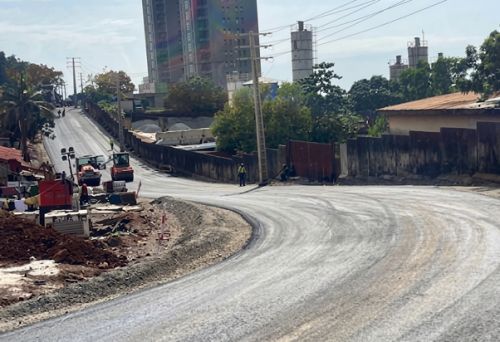
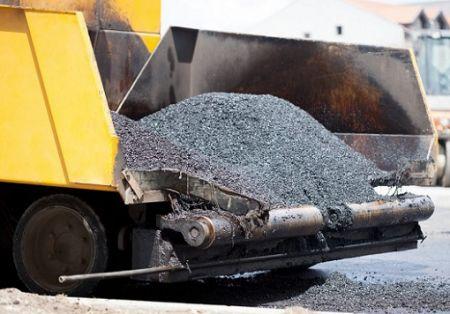 Road transport — Mozambique. The country plans to pave 3,219 km of roads across 45 sections by 2031, as part of the “Mais Estradas 2031” program. The goal is to improve the continuity of road connections in a network regularly affected by flooding, heavy rainfall, and cyclones.
## A 3,219 km road program in Mozambique
The Mozambican National Roads Administration (ANE) has launched a process to select firms to supervise the program’s work. The supervision contracts are for a duration of 36 months and will cover the technical, physical, and financial monitoring of the construction sites.
The works concern 45 sections spread across several provinces, including Maputo, Gaza, Inhambane, Sofala, Manica, Tete, Zambezia, Nampula, Cabo Delgado, and Niassa.
Among the identified sections are Chalaua–Moma, in Nampula province, over 83 km; Mecúfi–Mazeze, in Cabo Delgado, over 75 km; and Sitila–Funhalouro in Inhambane province and Chitima–Nhabando in Tete province, each over 70 km.
Supervision will include, in particular, the validation of detailed design studies, monitoring of work progress, verification of quantities completed, and certification of services.
## Why this matters
Reliable road flow: Improving the road surface should reduce traffic disruptions on roads exposed to extreme weather conditions.
Transport times and costs: More passable roads can reduce detours, vehicle downtime, and costs associated with road deterioration.
Market access: Several sections need to improve connectivity between production areas, urban centers, and regional markets.
This context is particularly important for Mozambique, where road transport accounts for a significant portion of domestic freight movement. Weather events can quickly disrupt supply chains, especially in rural areas and on routes connecting provinces to major economic hubs.
## An issue that extends beyond the national network
Modernizing Mozambique’s road network is also of regional importance. The country serves as a maritime gateway for several landlocked economies in Southern Africa, particularly through its corridors connecting the ports of Maputo, Beira, and Nacala to neighboring countries.
Improving secondary roads and their connections to major highways can therefore help streamline transport between production areas, borders, and port facilities.
However, the actual completion of the 3,219 km of roads to be paved will depend on the pace of funding mobilization, the execution of the work, and the capacity to subsequently maintain the network.
For carriers and supply chain stakeholders, the main challenge remains the reliability of road transport in Mozambique: fewer disruptions, more predictable delivery times, and improved continuity of goods flows.