Lobito Corridor: DRC approves USD 1.258 billion rail upgrade between Dilolo and Sakania
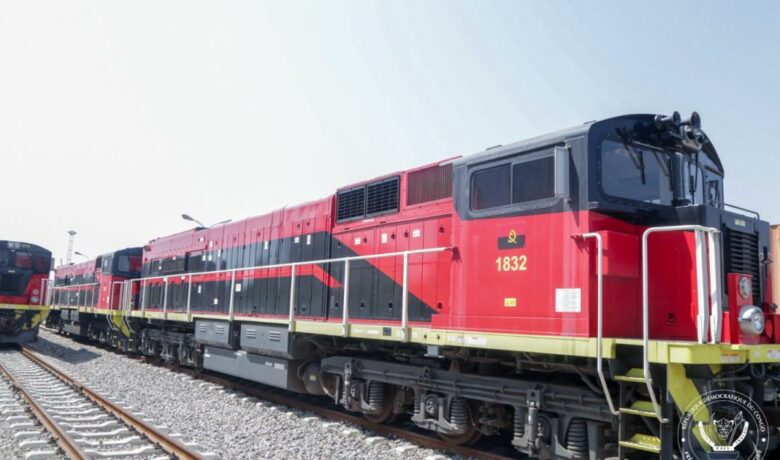 The Congolese government has approved a collaboration agreement with MOTA-ENGIL AFRICA to rehabilitate and modernize the Dilolo–Sakania railway. The USD 1.258 billion project is expected to significantly increase freight capacity along the Lobito Corridor, strengthening mineral exports and regional trade.
DRC advances a key rail project on the Lobito Corridor
The Government of the Democratic Republic of the Congo has approved a cooperation agreement with MOTA-ENGIL AFRICA covering the financing, rehabilitation, modernization, operation, maintenance and eventual transfer of the Dilolo–Sakania railway.
Approved during the Council of Ministers meeting held on 31 July 2026, the agreement covers a 1,004.5-kilometre railway linking the country’s mining provinces to the Lobito Corridor, which provides access to the Atlantic Ocean through Angola’s Port of Lobito.
The total investment is estimated at USD 1.258 billion.
Freight capacity to reach 13.7 million tonnes annually
According to the Congolese government, the project will gradually increase the railway’s freight capacity to 13.7 million tonnes per year.
The agreement includes:
- project financing;
- rehabilitation of existing rail infrastructure;
- modernization of the corridor;
- commercial operations;
- maintenance throughout the concession period;
- transfer of the infrastructure back to the State at the end of the concession.
For mining companies, logistics providers and exporters, the upgraded railway is expected to improve cargo flows, reduce reliance on road transport and enhance supply chain reliability between mining areas and export gateways.
A strategic corridor for Central African trade
The project reinforces the development of the Lobito Corridor, which is emerging as one of Africa’s most strategic rail and logistics corridors for the export of critical minerals.
As copper and cobalt production continues to expand in the DRC, improving rail connectivity to the Atlantic is becoming increasingly important to diversify export routes and reduce logistics costs.
The agreement follows the approval of a public-private partnership involving the DRC, Mota-Engil SA and the U.S. International Development Finance Corporation (DFC), which is supporting the corridor’s development.
Beyond rail infrastructure, the project is expected to strengthen regional logistics integration by improving connectivity between mining regions and Atlantic ports.
Why it matters
- Freight capacity will increase to 13.7 million tonnes per year, improving rail efficiency for mineral exports.
- USD 1.258 billion will be invested to modernize more than 1,000 kilometres of strategic railway infrastructure.
- The project is expected to lower logistics costs, improve export reliability and enhance the competitiveness of the DRC’s mining supply chains.
Regional outlook
The Lobito Corridor is rapidly becoming a cornerstone of Central Africa’s logistics network. With major investments underway in Angola, Zambia and the DRC, the corridor is positioning itself as a key alternative export route for copper, cobalt and other critical minerals destined for Europe, North America and Asia. Its development is expected to reshape regional freight flows and strengthen cross-border trade integration.
By approving this agreement with MOTA-ENGIL AFRICA, the Democratic Republic of the Congo has taken another step toward modernizing the Lobito Corridor. Once completed, the Dilolo–Sakania railway upgrade is expected to increase freight capacity, improve logistics performance and reinforce the corridor’s role in Africa’s mineral export supply chains.
Sector: Rail & Freight
Country / Region: Democratic Republic of the Congo – Lobito Corridor – Central Africa
Primary keyword: Lobito Corridor
Secondary keywords: DRC railway, Dilolo–Sakania railway, freight transport, MOTA-ENGIL AFRICA, mining logistics
News angle: The DRC has approved a USD 1.258 billion railway modernization project to strengthen freight capacity and position the Lobito Corridor as a leading export gateway for Central African minerals.