Côte d’Ivoire–Gabon Road Transport Cooperation Expands to Infrastructure and Urban Mobility
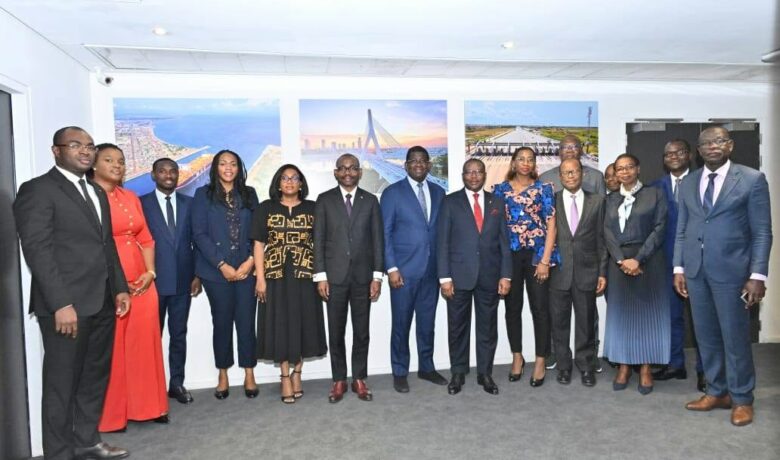 Road transport cooperation between Côte d’Ivoire and Gabon has entered a new phase. On the sidelines of Côte d’Ivoire’s Independence Day celebrations, the two countries held technical discussions on road infrastructure, road maintenance and urban mobility.
Road transport in Côte d’Ivoire: Abidjan shares expertise with Gabon
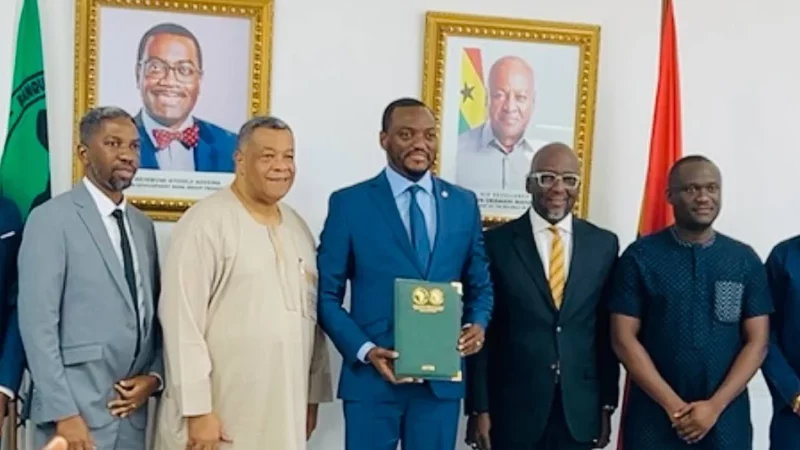
The road transport sector in Côte d’Ivoire was the focus of a bilateral meeting held in Abidjan on 5 August 2026 between Côte d’Ivoire’s Minister of Infrastructure and Road Maintenance, Yacouba Hien Sié, and a Gabonese delegation led by Edgard Moukoumbi, Minister of Public Works and Construction.
The delegation also included Mays Lioyd Mouissi, Gabon’s Minister of Housing, Urban Planning and Cadastre, along with representatives of the Gabonese diplomatic mission.
The meeting focused on exchanging experience in road infrastructure planning, road maintenance systems and urban mobility solutions implemented in Côte d’Ivoire.
Abidjan Urban Transport Project takes centre stage
Technical discussions highlighted the Abidjan Urban Transport Project (PTUA), presented by its coordinator, Fousseni Diarrassouba of AGEROUTE.
The programme aims to improve mobility across the Autonomous District of Abidjan through road infrastructure upgrades, the development of new transport corridors and better integration of different transport modes.
Although no new cooperation agreement or implementation timetable was announced, the meeting gave Gabon an opportunity to examine practical approaches already deployed in Côte d’Ivoire to address increasing urban traffic and road maintenance challenges.
Operational implications for logistics flows
In Côte d’Ivoire, road infrastructure carries the majority of freight moving between the Port of Abidjan, logistics platforms and regional trade corridors serving Burkina Faso, Mali and Niger. Improving urban mobility in the country’s economic capital can reduce travel times, ease congestion and lower transport and distribution costs across supply chains.
For Gabon, where parts of the transport network require modernization, these technical exchanges could help shape future infrastructure investment projects, particularly in urban areas where congestion affects both passenger and freight movements.
Why it matters
- Technical cooperation can accelerate the design and management of future road infrastructure projects in Gabon.
- Improved urban mobility supports more efficient logistics operations by reducing transport delays and operating costs.
- Knowledge sharing between African administrations contributes to stronger infrastructure management practices across West and Central Africa.
Regional outlook
While the meeting did not result in the announcement of a new infrastructure project, it reflects the growing interest among African governments in sharing expertise on road transport, infrastructure management and urban mobility. Such technical cooperation has the potential to strengthen regional logistics performance and facilitate the movement of goods across the continent.