Guinea’s Simandou 2040 Programme Unveils Major Transport and Logistics Infrastructure Projects
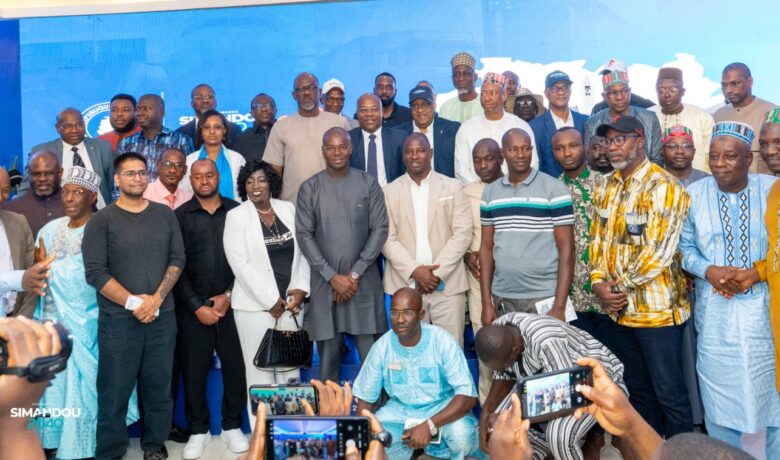
Guinea is positioning transport and logistics infrastructure at the heart of its economic transformation strategy. Under the first implementation phase of Pillar 3 of the Simandou 2040 Programme, the Ministry of Transport has unveiled a portfolio of strategic projects designed to strengthen national connectivity, modernize logistics networks and support long-term industrial development.
Transport Infrastructure to Drive Economic Transformation
Guinea’s Ministry of Transport has presented the flagship projects included in Wave 1 of Pillar 3 (Infrastructure, Transport and Technologies) of the Simandou 2040 Programme, the government’s long-term development roadmap aimed at accelerating structural transformation and improving the country’s economic competitiveness.
The programme encompasses investments across aviation, road transport, rail, maritime infrastructure and logistics, with the objective of improving mobility, facilitating trade and creating more efficient supply chains to support industrial and mining growth.
Airport Expansion to Strengthen National and International Connectivity
Among the flagship initiatives is the expansion and modernization of Ahmed Sékou Touré International Airport in Conakry. Once completed, the airport’s annual passenger handling capacity will increase from 500,000 to 3 million passengers, significantly enhancing Guinea’s international air connectivity.
The Ministry also reported progress on the construction and rehabilitation of airports in Kankan, Labé and Beyla, while feasibility studies are underway for future airport developments in Faranah and Nzérékoré. These projects are expected to improve domestic connectivity while supporting passenger and cargo movements across the country.
Public Transport and Railway Development Gain Momentum
The government is also implementing several initiatives aimed at modernizing urban and intercity transport.
Key projects include:
• Rehabilitation of bus shelters and the Matoto bus depot;
• Deployment of 50 new public buses to strengthen urban transport services;
• Launch of a 300-vehicle ride-hailing taxi programme, with an initial fleet of 50 vehicles already available;
• Construction of eight new bus terminals to improve passenger transport infrastructure.
Rail development also forms a central component of the programme. Planned railway projects include the Kaloum–Kouria, Kouria–Moribaya, and Kankan–Kérouané lines, which are expected to improve domestic mobility and strengthen links between Guinea’s key economic regions.
Dry Port and Logistics Hubs to Enhance Supply Chain Performance
Logistics infrastructure represents another strategic pillar of the Simandou 2040 Programme.
The Ministry announced plans to develop the Kagbélen Dry Port, a project intended to streamline customs operations, improve cargo handling and reduce congestion at maritime gateways. Additional investments will include new cargo-handling equipment to enhance operational efficiency.
Authorities also confirmed the development of the Dobali Industrial-Port Complex and the Benty Logistics Centre, both expected to strengthen Guinea’s freight handling capacity, support industrial investment and improve the country’s integration into regional transport corridors across West Africa.
Why It Matters
While the Simandou project is widely associated with one of the world’s largest untapped iron ore deposits, the Simandou 2040 Programme demonstrates that Guinea is pursuing a broader infrastructure agenda extending well beyond the mining sector.
By investing simultaneously in airports, railways, public transport, logistics facilities and port-related infrastructure, the government aims to build a more integrated transport system capable of supporting industrialization, facilitating regional trade and improving supply chain efficiency.
For logistics operators, transport companies and investors active in Africa, these projects could contribute to lower logistics costs, stronger multimodal connectivity and enhanced trade competitiveness. Their long-term impact, however, will depend on timely implementation, sustainable financing and the effective integration of transport infrastructure with Guinea’s expanding industrial and mining value chains.