
Ethiopia’s Electricity Provider to Build Massive EV Charging Network
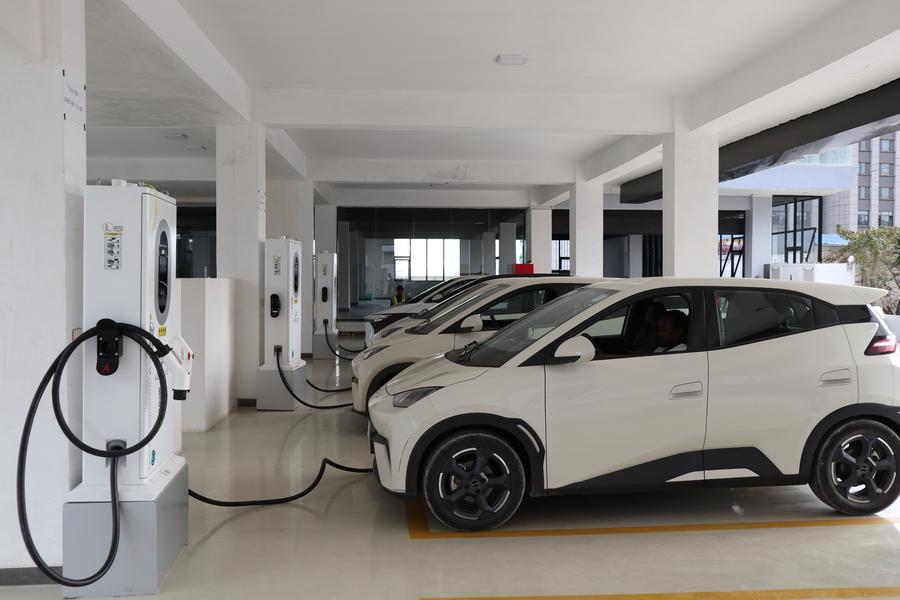
In a decisive move toward green mobility, the state-owned Ethiopian Electric Utility (EEU) has announced the launch of a major project to equip the country with an unprecedented electric vehicle (EV) charging infrastructure. This initiative aligns with the national strategy to reduce dependence on fossil fuels and capitalize on the country’s abundant renewable energy resources.
A Two-Phase Strategy for National Coverage
According to Anwar Abrar, Chief Communications Officer at the EEU, the deployment will follow a rigorous strategic plan:
-
Phase 1: Capital Urgency. Currently underway, this phase involves the construction of 40 charging stations. Thirty-two will be located in Addis Ababa, while the remaining eight will serve nearby cities. Three stations were already inaugurated last week.
-
Phase 2: Regional Expansion. The network will subsequently expand to major regional cities, including Bishoftu, Mojo, Adama, Shashemene, and Hawassa, ensuring service continuity for long-distance travel.
Cutting-Edge Technology and Competitive Pricing
With an initial investment estimated at $10 million, the EEU is focusing on both infrastructure and accessibility. Each station will be capable of accommodating up to 24 vehicles simultaneously.
Regarding cost, the tariffs are particularly competitive, ranging from 14 to 18 Ethiopian birr (approximately $0.09 to $0.12) per kilowatt-hour. To ensure equipment longevity, the stations are equipped with battery management systems (BMS) capable of tracking the status, performance, and energy use of the vehicles being charged.
A Supportive Policy Environment
This acceleration is no coincidence. In 2024, the Ethiopian government took a radical step by banning the import of fossil fuel-powered vehicles for personal use while drastically reducing taxes on EVs.
“By pioneering this development, the EEU is encouraging both state-run and private companies to follow suit,” said Anwar Abrar.
Why Now?
Ethiopia possesses an enviable energy mix consisting of hydro, wind, solar, and geothermal power. However, about half of the population still lacks access to electricity. Developing this electric transport network serves a dual purpose:
-
Energy Independence: Reducing the fuel bill, which has been exacerbated by global oil price shocks triggered by ongoing Middle East conflicts.
-
Grid Modernization: The EEU’s direct involvement ensures a reliable power supply and limits service interruptions—factors essential for the 140,000 electric vehicles already operating in the capital.
While the country requires approximately 1,176 charging stations to meet current demand, this EEU project marks the first giant leap toward a cleaner and more energy-autonomous Ethiopia.