
Uganda Targets January 2027 to Finalise $2.97 Billion Standard Gauge Railway Financing
Rail & Freight Transport – Uganda
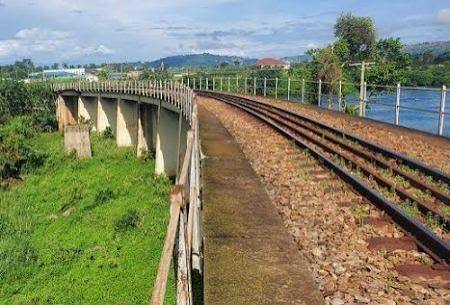
Uganda expects to finalise financing for its $2.97 billion Standard Gauge Railway (SGR) project in January 2027. The railway is designed to connect the landlocked country to Kenya’s railway network, improving freight access to the Port of Mombasa, a major maritime gateway for East Africa.
The government is also preparing plans to extend the network northwards and south-westwards to strengthen railway connections with neighbouring countries.
Financing Still Needed Before Construction Can Begin
Uganda’s Minister of Works and Transport, Fred Byamukama, announced on November 17 that the government was working to complete the project’s financing by January 2027.
In 2024, Kampala signed a contract with Turkish construction company Yapi Merkezi to build a 272-kilometre railway line connecting Uganda to Kenya’s Standard Gauge Railway network.
However, two years after the contract was signed, construction of the main works has yet to begin. The delay is primarily due to the government’s inability to secure the full financing required for the project.
Citibank is assisting with efforts to mobilise the necessary financial resources. The Islamic Development Bank has already approved €650.75 million in financing to support the project.
Once financing is secured, the government will issue the authorisation allowing Yapi Merkezi to begin the main construction works. The contractor will then have four years to complete the project, starting from the official approval to proceed.
A 1,425-Kilometre Extension Towards Neighbouring Countries
Beyond the initial connection to Kenya, Uganda is preparing plans to extend its SGR network by approximately 1,425 additional kilometres.
The first stages of this expansion involve routes towards the north and south-west of the country. The objective is to connect Uganda’s railway network with South Sudan, the Democratic Republic of Congo (DRC) and Rwanda.
These connections could reshape freight transport routes across the region. For a landlocked country such as Uganda, access to several regional railway networks represents a strategic advantage for imports, exports and transport costs.
The initial connection with Kenya remains the immediate priority. It is expected to enable rail freight services to reach the Port of Mombasa, Uganda’s main maritime gateway to international markets.
Why It Matters
-
Maritime access: Connecting to Kenya’s railway network should facilitate the movement of goods towards the Port of Mombasa.
-
Logistics costs: Expanding rail freight capacity could provide an alternative to long-distance road transport and reduce pressure on road infrastructure.
-
Regional integration: The proposed extensions towards the DRC, Rwanda and South Sudan could create additional opportunities for cross-border transit and regional trade.
A Strategic Project for East African Trade Corridors
Uganda’s railway project forms part of a broader effort to develop rail infrastructure across East Africa. The planned connection between Kampala and Kenya’s railway network is expected to strengthen the corridor linking the region’s inland markets to the Port of Mombasa.
The proposed extensions towards the DRC, Rwanda and South Sudan could also create new opportunities for regional trade and supply chain development.
However, the project’s timeline will depend on securing the outstanding financing, starting construction and coordinating future cross-border railway connections.
For now, finalising the financing in January 2027 remains the next critical milestone for the launch of Uganda’s SGR project.