Royal Air Maroc Cargo at 35: Brussels, a Strategic Bridge Between Africa and Europe
By Logis-T Africa
Royal Air Maroc Cargo has quietly but steadily built one of the most enduring air freight bridges between Africa and Europe. This year, the Moroccan carrier marked 35 years of uninterrupted cargo operations at Brussels Airport, a milestone that underlines not only the longevity of the route but also its strategic importance for African trade and logistics.
Since the launch of its first dedicated cargo flight between Casablanca and Brussels in 1990, Royal Air Maroc Cargo has helped transform the Belgian capital into a key European gateway for Africa-bound freight. Over the decades, Brussels Airport has evolved into the airline’s preferred consolidation hub in Europe, supporting trade flows that now span industrial, automotive and pharmaceutical supply chains.
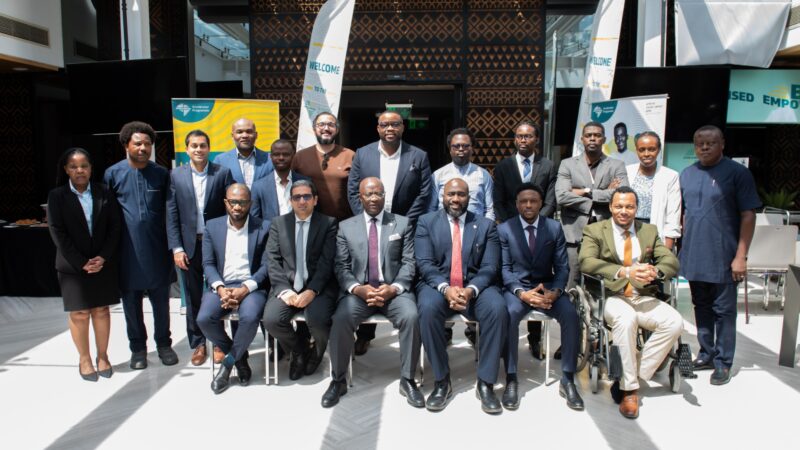
A reception held on 22 October at Brussels Airport brought together senior executives from Royal Air Maroc Cargo, Brussels Airport Company, Globe Air Cargo GSA, freight forwarders, logistics partners and specialised media. The event highlighted the depth of collaboration between the airline and the Belgian platform, as well as Brussels’ growing role in the African air cargo ecosystem.
Capacity growth and operational performance
Royal Air Maroc Cargo’s long-term commitment to Brussels is reflected in tangible investments. The airline has doubled its main-deck capacity on the route with the introduction of a Boeing 767 freighter, reinforcing its ability to serve both European exporters and African importers.
Today, the carrier operates three weekly cargo flights between Casablanca (CMN) and Brussels (BRU). In 2025, these services are expected to carry more than 4,300 tonnes of freight, with an average load factor of 85%, according to industry data shared during the anniversary event. These figures place the Casablanca–Brussels corridor among Royal Air Maroc Cargo’s most efficient and consistent long-haul routes.
“Thirty-five years at Brussels Airport is a testimony to the trust built with our customers, partners, and the Belgian logistics community,” said Yassine Berrada, Vice-President Cargo at Royal Air Maroc. “This route is essential to our network, and together with Brussels Airport, we will continue connecting Africa to its principal European market for many years to come.”
Brussels, Europe’s launchpad to Africa
Brussels Airport’s central location and dense European connectivity have made it a natural aggregation point for Africa-bound cargo. Today, 74% of Royal Air Maroc Cargo’s exports from Brussels are destined for African markets, underlining the hub’s Africa-centric profile.
The main commodities handled reflect both Europe’s industrial strength and Africa’s evolving demand patterns. Industrial machinery and equipment, automotive spare parts, and pharmaceutical and healthcare products dominate outbound flows from Brussels. These shipments are consolidated in Belgium before being routed via Casablanca to key African destinations such as Dakar, Ouagadougou and Bamako, offering shippers reliable transit times and seamless onward connectivity into West Africa.
For African importers, the Casablanca hub plays a critical role, allowing Royal Air Maroc Cargo to combine European freight with intra-African volumes, while benefiting from Morocco’s expanding logistics infrastructure and trade facilitation reforms.
Digitalisation shaping the next phase
Looking ahead, Royal Air Maroc Cargo is betting on digital innovation and commercial agility to reinforce its European footprint. The airline has signed partnerships with cargo.one (2024) and CargoAi (2025), enabling customers worldwide to access real-time capacity, pricing and bookings on a 24/7 basis.
These platforms, combined with operational upgrades at Brussels Airport – including streamlined handling processes and live shipment status sharing – are designed to improve transparency, reliability and customer experience, increasingly critical factors in time-sensitive African supply chains.
After 35 years, the Casablanca–Brussels route stands as a case study in how sustained airline–airport partnerships can support Africa–Europe trade over the long term. For Royal Air Maroc Cargo, Brussels is no longer just a station in Europe; it is a strategic hinge in Africa’s air logistics connectivity with the world.