South Africa: Cape Town Port studies wind barriers to limit export disruptions
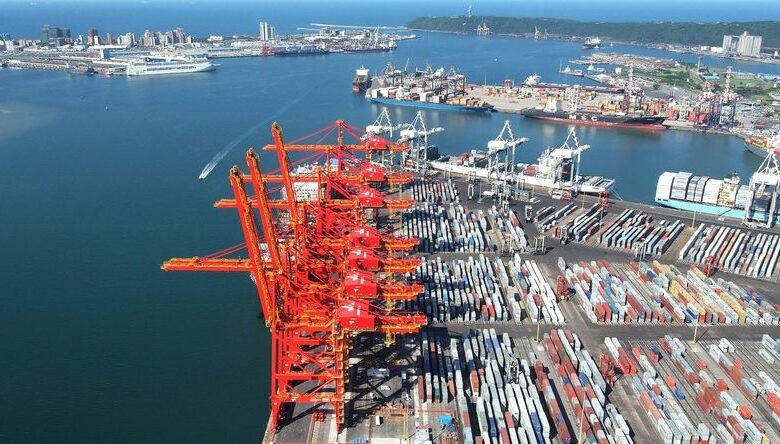 Transnet National Ports Authority (TNPA) is studying the feasibility of installing physical wind barriers at the Port of Cape Town to reduce interruptions to cargo-handling operations and their impact on export flows.
Wind remains a recurring operational challenge
Strong winds are a recurring operational risk at the Port of Cape Town, particularly during periods of high export activity. When wind speeds exceed safe operating thresholds, some cargo-handling activities have to be suspended, affecting vessel movements, container handling and cargo evacuation.
Under its 2026–2031 short-term investment programme, TNPA plans several measures to reduce the port’s exposure to extreme winds. These include the acquisition of cranes designed to operate in windy conditions and a feasibility study for physical wind protection structures around operational areas.
According to the Council for Scientific and Industrial Research (CSIR), extreme wind conditions have resulted in an average of around 1,200 lost operating hours per year at the Port of Cape Town in recent years.
Forecasting becomes part of the operational response
TNPA is also relying on forecasting tools to anticipate periods when port operations could be affected by strong winds.
In partnership with CSIR, the port authority is developing PortOps, a decision-support platform designed for the Cape Town Container Terminal. The system combines environmental measurements, weather forecasts and operational data to identify periods when wind conditions could restrict port operations.
PortOps is designed to provide forecasts ranging from 10 minutes to five days. During its pilot phase, conducted between September 2025 and January 2026, the platform reportedly achieved up to 85% accuracy in predicting operational availability.
A direct impact on export supply chains
Reducing wind-related stoppages could help improve the continuity of port operations. Earlier warnings would allow terminals to adjust handling schedules and logistics operators to better plan cargo movements.
The issue is particularly relevant to fresh and agricultural exports. Prolonged operational interruptions can disrupt shipping schedules, delay vessels and increase container congestion.
The impact can also extend inland, affecting road transport operations, equipment availability and inventory planning across the supply chain.
PortOps could be expanded to other ports
The system developed with CSIR could eventually be deployed beyond the Port of Cape Town. Potential applications include other South African ports, additional cargo sectors and national logistics systems.
For now, physical wind barriers remain at the feasibility-study stage. Forecasting and decision-support tools, however, already provide an operational approach to managing disruptions caused by extreme weather conditions.