Cameroon: The Entry into Force of the CEEAC Common External Tariff Marks a Turning Point for Trade and Logistics in Central Africa
Since January 1, 2026, Cameroon has officially implemented the CEEAC–CEMAC Common External Tariff (CET), a major reform aimed at harmonizing customs duties and strengthening regional integration. This transformative step for African trade has direct implications for logistics in Africa, transport in Africa, and the organization of supply chains in Central Africa.
A Key Milestone in Regional Integration in Central Africa
Approved on October 18, 2024, by the 11 Member States of the Economic Community of Central African States (CEEAC), the Common External Tariff entered into force in Cameroon on January 1, 2026, according to the Directorate General of Customs (DGD). This implementation completes a long process of tariff harmonization between CEEAC and CEMAC that has been underway for more than a decade.
The objective is twofold: to unify customs policies vis-à-vis third countries and to create the conditions for a more integrated common market capable of enhancing regional competitiveness and facilitating trade flows.
The CEEAC–CEMAC CET: A Unified Framework for Imports
The Common External Tariff applies exclusively to customs duties on imports originating from countries outside the two communities. It is distinct from VAT and excise duties, which remain, at this stage, under national jurisdiction.
A Tariff Schedule Ranging from 0% to 40%
The CET tariff structure ranges from 0% to 40%, depending on the nature of imported goods:
-
0%: cereal seeds, aircraft and aviation-related vehicles and machinery
-
5%: medical equipment components
-
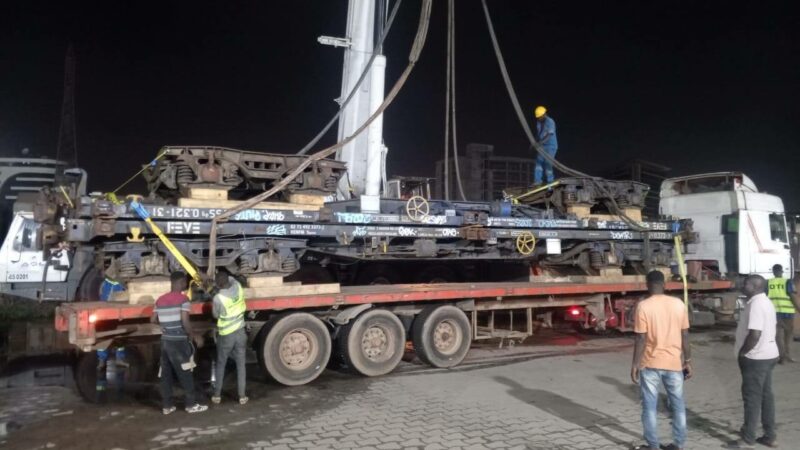
5% to 10%: railway rolling stock
-
5% to 20%: dairy products, construction materials (cement), maritime transport vehicles
-
10% to 20%: pumps, industrial and non-industrial machinery
-
20%: meat (pork, beef, etc.), reptile products, fish and crustaceans imported from outside the sub-region, toys, musical instruments, weapons, ammunition, furniture
-
40% (maximum rate): cocoa powder, tobacco-based products, pharmaceutical waste, mineral water and tonic beverages, cotton and polyester fabrics, ready-to-wear clothing and accessories, hair extensions
This classification is designed to protect certain local industries while facilitating access to essential inputs for sub-regional economies.
Direct Impacts on Africa’s Supply Chain and Logistics Flows
The adoption of the CET significantly reshapes import–export conditions in Central Africa. By harmonizing customs duties, CEEAC aims to reduce tariff distortions that previously complicated supply chain management in Africa and increased logistics costs.
For operators in maritime transport in Africa, road transport in Africa, and air transport in Africa, this harmonization enhances regulatory clarity and enables better regional flow planning. It also serves as a lever for developing African logistics infrastructure and logistics corridors linking ports to inland markets.
A Strategic Reform for African Logistics and Trade
The implementation of the Common External Tariff in Cameroon marks a decisive step forward for African trade and the modernization of the customs framework in Central Africa. By improving tariff predictability and supporting regional integration, the CET represents a strategic lever to strengthen competitiveness, streamline transport in Africa, and consolidate African supply chains within an increasingly integrated trade environment.