Mozambique: MSC Launches Afungi Shuttle to Strengthen LNG Supply Chains in the North
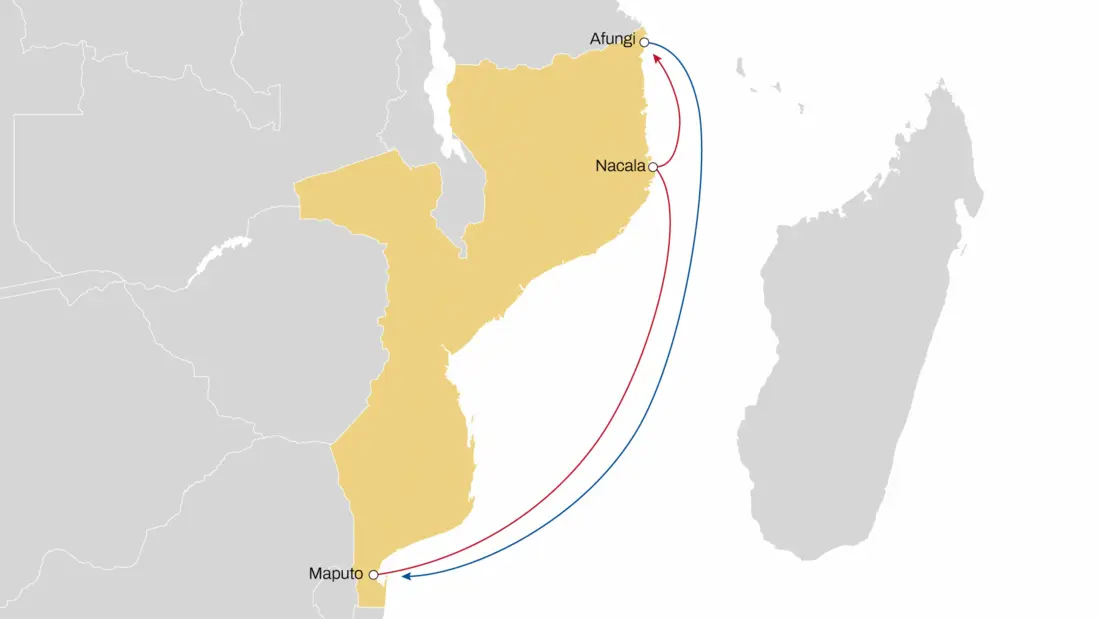
The new Afungi Shuttle service will connect the LNG development zone in Cabo Delgado to Nacala and Maputo through dedicated coastal feeder rotations, creating a new logistics gateway for project cargo and industrial supplies.
Mediterranean Shipping Company (MSC) has launched the Afungi Shuttle, a new maritime service linking Afungi in northern Mozambique with dedicated feeder connections from Nacala and Maputo. The service is designed to support the growing logistics requirements of the Afungi LNG project and the broader industrial development of the Cabo Delgado region.
The new service will handle construction materials, machinery, industrial equipment, spare parts, and other project cargo needed for the ongoing development of the LNG infrastructure in Afungi.
A new maritime gateway for northern Mozambique
The Afungi Shuttle creates a dedicated coastal logistics corridor connecting Mozambique’s main port gateways with the LNG development area.
Dedicated feeder connections
will operate through:
- Nacala – Afungi – Nacala
- Maputo – Afungi – Maputo
By integrating the coastal feeder leg into a single MSC booking, customers will benefit from one commercial contract and a single operational point of contact, simplifying cargo coordination and reducing administrative complexity.
Connecting Afungi to global trade routes
According to MSC, the new service provides access to Afungi through connections with major trade routes serving:
- Europe
- The Mediterranean
- The Americas
- Asia
- The Middle East
- Southern Africa
This network integration is expected to improve the movement of project cargo from global manufacturing hubs to northern Mozambique, while leveraging MSC’s local presence in the country.
Supporting LNG and industrial development
The launch comes as Mozambique continues to position itself as a major future LNG producer. The Afungi area, located in Cabo Delgado Province, hosts one of the largest natural gas developments in Africa and requires substantial volumes of imported equipment and construction materials.
For logistics operators, the new shuttle service offers a more structured solution for managing heavy and oversized cargo flows to a region where infrastructure and security considerations have historically complicated supply chain operations.
Why it matters
- New dedicated maritime corridor linking Afungi with Nacala and Maputo.
- Integrated booking model covering both international and coastal feeder transport.
- Improved supply chain coordination for LNG project cargo and industrial equipment.
- Enhanced connectivity between northern Mozambique and global shipping routes.
Regional perspective
The Afungi Shuttle highlights the growing importance of coastal feeder networks in Africa’s energy and infrastructure supply chains. Similar models are increasingly being used to connect major transshipment ports with specialized industrial zones, mining projects, and LNG terminals across the continent.
For Mozambique, the service strengthens the role of Nacala as a strategic northern logistics hub while creating a dedicated maritime bridge to Afungi. As LNG-related investments accelerate, reliable feeder services could become a critical component of the country’s broader ambition to develop integrated port, transport, and industrial corridors serving both domestic and regional markets.
From a LogistAfrica perspective, MSC’s initiative reflects a wider trend in African maritime logistics: shipping lines are moving beyond traditional port-to-port services and offering integrated coastal solutions tailored to large-scale energy and industrial projects. This evolution is expected to improve cargo visibility, reduce coordination risks, and enhance the resilience of project supply chains in emerging industrial zones across Africa.