Mozambique: Beira and Dondo at the Centre of New Port and Logistics Concessions
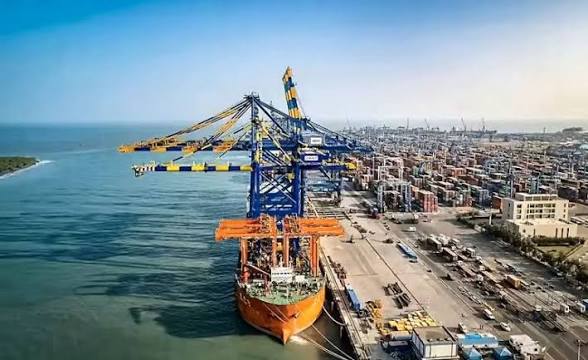
Ports & Maritime – Mozambique. The Mozambican government approved new concessions on November 24, 2026, to modernise the terminals at the Port of Beira and develop a specialised facility for dangerous goods in Dondo. The decisions aim to strengthen port capacity, improve operational safety and enhance the efficiency of the Beira Corridor, a key trade route in Southern Africa.
Beira: 20- to 30-year concessions to modernise port terminals
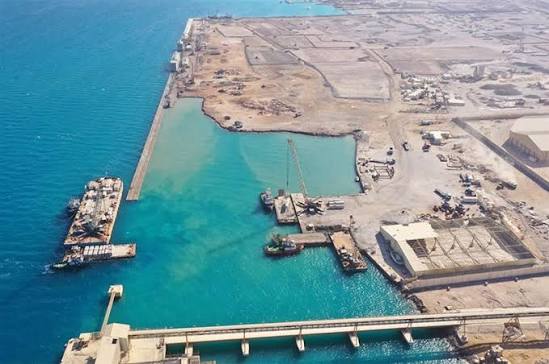
At the end of the 34th ordinary session of the Council of Ministers, government spokesperson Inocêncio Impissa announced the approval of concession terms for the general cargo, container and fuel terminals at the Port of Beira.
The agreements provide for 20-year concessions for the general cargo and container terminals and a 30-year concession for the new fuel terminal. The objective is to establish a public-private partnership (PPP) to rehabilitate quays, modernise port facilities and deepen the Beira navigation channel.
The selection of CFM Logistics, a subsidiary of state-owned Mozambique Ports and Railways, is intended to facilitate the process within a defined legal framework. The planned works concern infrastructure essential to vessel calls and cargo handling operations.
For logistics operators, the port’s modernisation could improve vessel access and cargo-handling conditions. However, actual performance gains will depend on the investment schedule, implementation of the works and the operational capacity eventually brought into service.
Dondo: Moving dangerous goods away from urban areas
The government also approved the concession of the Dondo Logistics Terminal to Terminal de Carga Perigosa de Dondo, whose shareholders include Sociedade Comercial NITRO and the Transport and Communications Development Fund (FTC).
The facility is intended to handle and store dangerous goods, particularly ammonium nitrate. According to the government, the facilities currently used in Beira do not meet safety requirements stipulating a distance of more than 500 metres from residential areas and other developments.
Moving these operations to a dedicated site is expected to reduce the risks of industrial accidents, protect local communities and limit environmental hazards. It should also help ease congestion on access roads to the Port of Beira by separating dangerous goods movements from other port operations.
Offshore oil terminal planned for Beira
In a separate decision, the Council of Ministers authorised the minister responsible for logistics to establish a technical team to negotiate the terms of a future concession involving Mozambique Ports and Railways and Petromoc.
The project involves the construction and operation of an offshore oil terminal and a modular refinery complex in Beira. The deep-water facility would be designed to accommodate large oil tankers without depending on tidal conditions or the operational limitations of the existing port.
The government believes the infrastructure could improve fuel supply security, reduce logistics costs and strengthen Mozambique’s role in the regional transit and distribution of refined petroleum products. However, the project remains subject to negotiations over the concession.
Why this matters for the Beira Corridor
– Port capacity and competitiveness: Modernising the terminals could improve the handling of containers, general cargo and petroleum products.
– Supply chain safety: Moving dangerous goods operations to Dondo should reduce industrial risks and improve the organisation of cargo flows around the port.
– Logistics costs and supply reliability: The proposed offshore terminal could facilitate the reception of large oil tankers and reduce certain logistical constraints.
A regional priority for Southern Africa
The Beira Corridor provides maritime access for Mozambique and neighbouring countries that are landlocked or dependent on regional port infrastructure. Its performance directly affects the movement of goods to inland markets.
Within the Southern African Development Community (SADC), improvements to port and logistics infrastructure could strengthen competition between regional corridors and provide cargo owners with additional routing options. However, these benefits will also depend on the quality of road and rail connections, customs procedures and coordination among transport stakeholders.
The next challenge will be to turn the approved concessions into completed investments and measurable operational improvements. For Mozambique, modernising the Port of Beira and developing the Dondo terminal represent two complementary steps towards strengthening the safety and competitiveness of the Beira Corridor.