Morocco secures €205 million AfDB financing to expand high-speed rail and strengthen logistics corridors
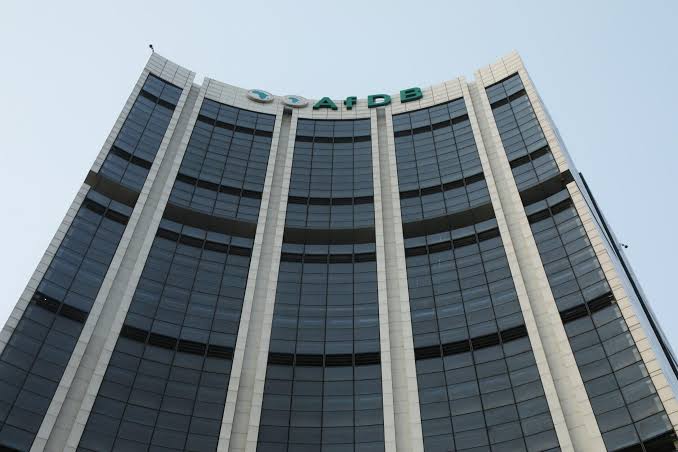
The African Development Bank (AfDB) has approved €205 million in financing for Morocco’s Rail Infrastructure Development Support Project (PADIF). Beyond extending the country’s high-speed rail (HSR) network, the project aims to increase the capacity of the Kenitra–Marrakech railway corridor, improving both passenger mobility and freight operations while reinforcing Morocco’s position as a logistics hub linking Europe and Africa.
AfDB backs strategic upgrade of Morocco’s busiest rail corridor
The Board of Directors of the African Development Bank Group approved €205 million in financing on 8 July 2026 to support the implementation of the Rail Infrastructure Development Support Project (PADIF).
The investment targets the Kenitra–Marrakech railway corridor, one of Morocco’s busiest transport arteries, which carries a substantial share of the country’s passenger traffic while also serving key freight movements between industrial centres, logistics platforms and ports.
The project combines the extension of Morocco’s high-speed rail (HSR) network with the modernisation of conventional railway infrastructure, increasing the corridor’s capacity and improving its operational performance.
Higher rail capacity to support freight and logistics
While the HSR extension is primarily designed to accommodate growing passenger demand, the project will also generate significant benefits for rail freight operations.
By expanding infrastructure capacity and upgrading existing tracks, PADIF will allow more efficient management of both passenger and freight traffic, reducing network bottlenecks and improving service reliability.
The programme includes the procurement of new rails and track components for both conventional railways and the high-speed network, as well as infrastructure upgrades around the Casablanca rail hub, the country’s main railway interchange.
For logistics operators, these improvements are expected to shorten transit times, increase network efficiency and improve the reliability of rail services supporting domestic and international supply chains.
Supporting Morocco’s logistics competitiveness
The Kenitra–Marrakech corridor links several of Morocco’s largest economic and industrial centres while providing rail connectivity to major maritime gateways.
Improving this strategic corridor is expected to facilitate freight flows between manufacturing zones, logistics parks and export ports, supporting sectors such as automotive, aerospace, agribusiness and manufacturing.
According to the African Development Bank, the project will contribute to lower logistics costs, shorter travel times and more sustainable transport while strengthening Morocco’s competitiveness as a logistics platform connecting Europe and Africa.
PADIF also supports Morocco’s Rail 2040 Plan, the national strategy to modernise the railway network and expand rail capacity in line with future mobility and freight demand.
Why it matters
- €205 million in AfDB financing to strengthen Morocco’s main railway corridor.
- Greater rail capacity for both passenger and freight traffic through infrastructure modernisation.
- Improved logistics competitiveness, supporting industrial production, exports and multimodal transport.
Regional perspective
Morocco continues to invest heavily in railway infrastructure as part of a broader strategy to improve transport efficiency and strengthen supply chains. Similar investments across Africa—including projects in Egypt, Angola and Kenya—reflect a growing focus on modern rail corridors that connect industrial centres with ports, improve regional logistics and support trade under the African Continental Free Trade Area (AfCFTA).
With €205 million in new financing from the African Development Bank, Morocco is advancing the modernisation of its railway network while increasing the capacity of the Kenitra–Marrakech corridor. By improving both passenger mobility and freight operations, the project is expected to strengthen the country’s logistics performance and reinforce its role as a strategic transport gateway between Africa and Europe.