Guinea Seeks $693 Million to Develop 35-km Railway Linking Kaloum and Kagbèlen
Guinea is seeking $693 million to finance a 35-kilometre urban railway connecting Kaloum and Kagbèlen in Greater Conakry. The project aims to ease road congestion and increase passenger transport capacity across the capital.
Rail Transport: Guinea Presents $693 Million Railway Project for Greater Conakry
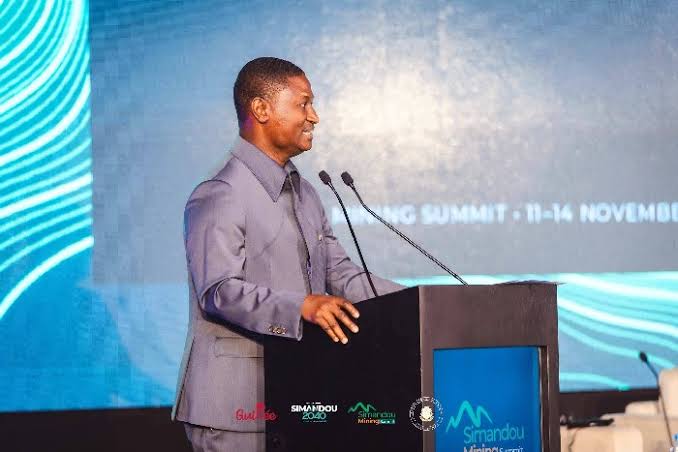
Guinea is seeking to mobilise $693 million for an urban railway project linking Kaloum and Kagbèlen. Presented to investors during the second day of the Simandou Mining Summit, the project is being led by the Ministry of Transport.
The proposed infrastructure will consist of a 35-kilometre double-track railway dedicated exclusively to passenger transport. Securing the required financing is now a key step before construction can move forward.
The project is designed to provide an alternative to road transport in Greater Conakry, where chronic traffic congestion affects daily journeys between major residential, administrative and economic areas.
Fifteen Stations and Connections to the Future BRT Network
The project includes 15 railway stations, three of which are expected to connect with the planned Bus Rapid Transit (BRT) network.
This integration between rail and bus transport is intended to improve passenger transfers and facilitate connections between different parts of the metropolitan area.
Operations will rely on high-capacity double-decker trains designed to accommodate large passenger volumes.
The project also includes:
- The removal of level crossings along the railway corridor.
- The construction of a maintenance centre in Simbaya.
- A double-track railway infrastructure.
- Connections between three railway stations and the future BRT network.
These facilities are expected to support service reliability, railway operations and rolling stock maintenance.
$693 Million Investment Still Requires Financing
The estimated $693 million represents the project’s capital expenditure (CAPEX).
Guinean authorities presented the initiative to potential investors during a Deal Room session, attended by Namory Camara, Director General of the Guinea Development Board (GDB).
Mobilising the required capital remains a major challenge. Until financing commitments are secured, the construction schedule and project implementation cannot be considered confirmed.
For construction companies, railway equipment manufacturers and specialised operators, the project could generate business opportunities in infrastructure development, signalling systems, rolling stock supply and maintenance services.
Why It Matters
1. Reduced urban congestion: A railway connection between Kaloum and Kagbèlen could reduce pressure on Conakry’s main road networks and improve daily commuting times.
2. Integrated public transport: Connections with the future BRT network could improve passenger flows and strengthen coordination between different transport modes.
3. Investment opportunities: The $693 million financing requirement represents potential contracts for construction companies, railway technology suppliers and railway maintenance specialists.
A Wider Urban Mobility Challenge in West Africa
The project reflects a broader trend across West Africa, where major cities are seeking to expand public transport infrastructure in response to population growth and increasing mobility demands.
For Guinea, the proposed railway could improve access to administrative, commercial and economic centres across Conakry while supporting the development of a more integrated urban transport system.
The immediate priority is securing the $693 million required to move the project forward. The ability to mobilise this financing will determine whether the proposed railway can progress from planning to implementation.