
Angola: 1,000 Electric Buses and 2,000 Charging Points to Transform Urban Mobility in Luanda
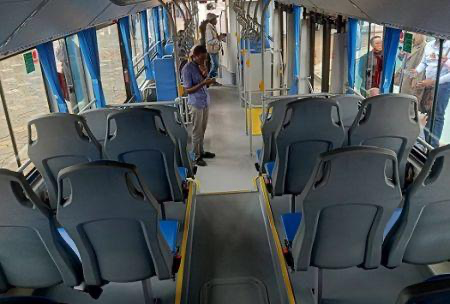
Angola is launching the ONDJILA GREEN program to deploy 1,000 electric buses and install 2,000 charging points across the country. This urban mobility initiative, primarily focused on the capital city of Luanda, aims to structure a local e-mobility ecosystem and modernize public transportation.
Gradual Rollout of the Charging Network and Bus Fleet in Luanda
The Angolan Ministry of Transport signed a Memorandum of Understanding with the Fundo Soberano de Angola (FSDEA) and local vehicle assembly company OPAIA Motors. The initial phase schedules the deployment of 240 charging stations, predominantly located in Luanda to stabilize urban operations prior to a nationwide expansion.
Key figures and facts of the project:
• Target Fleet: 1,000 electric buses dedicated to public transit.
• Infrastructure: 2,000 total charging points, including 240 stations during the initial phase in Luanda.
• Key Stakeholders: Ministry of Transport, FSDEA (sovereign wealth funding), and OPAIA Motors (local assembly and technical deployment).
Why It Matters
• Capacity and Service Continuity: The operational availability of the fleet depends directly on the pace of charging station installations and the capacity of the local power grid to handle load increases without disrupting bus schedules.
• Skills Transfer and Maintenance: Transitioning from internal combustion engines to electric powertrains requires rapid training of local technicians in battery maintenance, onboard electronics, and charging infrastructure management.
• Long-Term Operational Costs: Local assembly and reduced reliance on imported fossil fuels aim to lower per-kilometer operating costs for public operators, provided initial infrastructure investments are effectively managed.
Regional Outlook: The E-Mobility Surge Across Africa
Angola’s initiative mirrors a broader continental shift toward electrifying public transport networks. In West Africa, Dakar operates its electric BRT system, while Ghana is preparing to procure electric buses for Metro Mass Transit. In East Africa, Kenya and Rwanda are backing private operators like BasiGo, with Kigali aiming to phase out diesel public buses by 2027.
The ONDJILA GREEN program represents a strategic milestone for urban mobility in Angola. Its long-term success will hinge on financial execution, grid integration, and the scaling of local technical expertise.