Cape Verde–Senegal: ECOWAS Prepares Praia–Dakar Container Shipping Service for June 2027
Ports & Maritime – Cape Verde / Senegal. ECOWAS is preparing to launch a regular container shipping service between Praia and Dakar in June 2027. The project aims to strengthen coastal trade, provide an alternative to road transport and improve logistics connectivity between island economies and mainland West Africa.
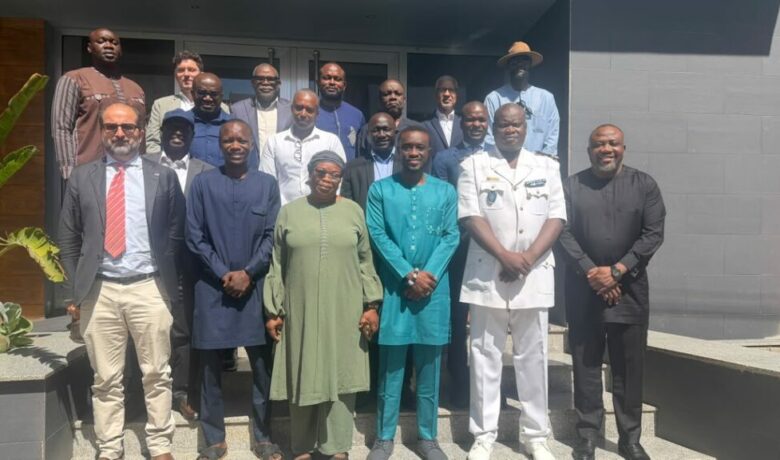
On November 12 and 13, 2026, the ECOWAS Commission brought together representatives of Member States, port authorities, maritime operators and financial partners in Praia, Cape Verde. The objective was to define the operational, regulatory and financial requirements for launching the maritime link, in line with the directive adopted by the Council of Ministers in June 2026 in Freetown.
Praia–Dakar: A Two-Phase Maritime Transport Service
The service will be introduced progressively. The first phase will focus on container shipping. A RoPax service, combining passenger and vehicle transport, is planned after the first two years of operation.
The meeting also recommended establishing a joint venture bringing together existing operators in Cape Verde, The Gambia, Guinea, Guinea-Bissau and Senegal. The network could gradually expand to other coastal states in the region.
This arrangement is intended to pool operators’ capacities and establish a structured regional maritime service. National authorities, meanwhile, will be responsible for preparing the modernisation of port infrastructure and equipment through a coordinated and costed investment plan.
Customs, Cargo Consolidation and Infrastructure: Key Conditions for Launch
Discussions focused on several factors that will determine the project’s operational viability: port infrastructure readiness, vessel chartering arrangements, cargo consolidation, customs and border procedures, digitalisation of maritime processes, and compliance with international safety and environmental standards.
The introduction of a freight booking and information system is also among the planned next steps. For shippers and logistics operators, these tools will be essential for planning shipments, consolidating cargo and tracking goods.
ECOWAS plans to establish a dedicated Project Implementation Unit by the end of December 2026. This unit will coordinate preparations and oversee the arrangements required to launch the service in June 2027.
The project’s commercial viability will depend, in particular, on sailing frequency, available cargo volumes, port handling costs and the ability to simplify procedures between participating countries.
Why This Matters
– Diversification of transport routes: The maritime link could provide shippers with an alternative route for certain cargo flows between Cape Verde and West African ports.
– Reduced logistics constraints: Coastal shipping could reduce dependence on certain land transport routes, provided that schedules and freight rates remain competitive.
– Regional market integration: Improved port connectivity could facilitate intra-regional trade and expand market access for small and medium-sized enterprises.
A Project with Regional Reach
Beyond the Praia–Dakar route, the initiative could gradually help establish a coastal shipping network connecting several West African countries. Its expansion will nevertheless depend on operator participation, port modernisation and customs coordination.
For island economies, the project also offers an opportunity to strengthen supply chain resilience and reduce logistical constraints associated with their distance from major mainland markets.
The service is targeted for launch in June 2027. The next critical milestone will be the establishment of the Project Implementation Unit and the finalisation of operational and financial agreements.