Aviation – FlyGabon Plans Three Boeing 737s and Signs Four Interline Agreements to Expand Its African Network
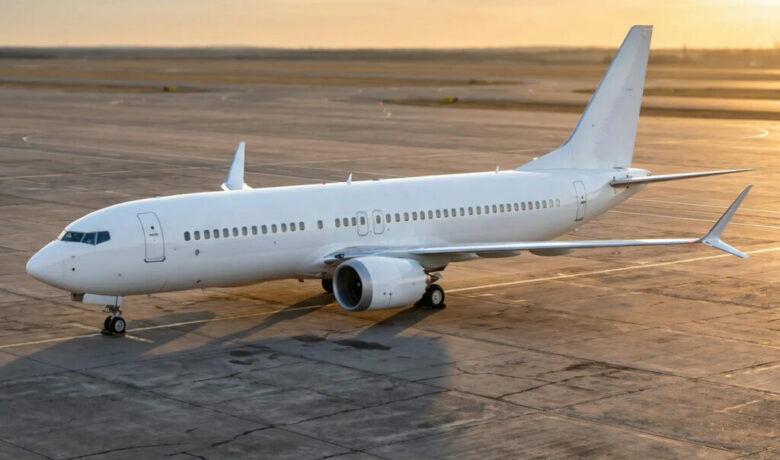
FlyGabon plans to add three Boeing 737 aircraft to its fleet between 2027 and 2028 while strengthening its commercial network through four interline agreements. The Gabonese carrier aims to increase capacity, expand regional connectivity and reduce its reliance on wet-leased aircraft.
Libreville, Gabon – Gabon’s aviation sector could enter a new phase of expansion following FlyGabon’s development plans announced on 23 November 2026, on the sidelines of the 58th Annual General Assembly of the African Airlines Association (AFRAA), held in Libreville.
The airline plans to introduce three Boeing 737 aircraft under lease and establish four interline agreements with Airlink, Cemair, Kenya Airways and Royal Air Maroc. The strategy combines fleet expansion and commercial partnerships to increase connectivity from Gabon to regional and international destinations.
Three Boeing 737 Aircraft Expected Between 2027 and 2028
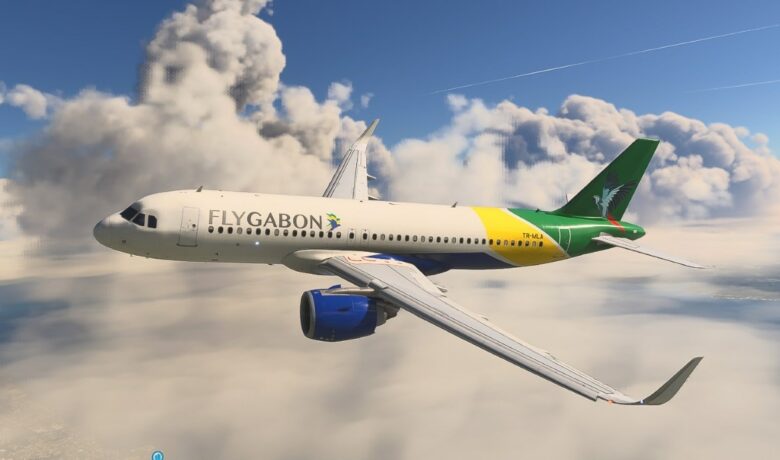
The first aircraft scheduled to join the fleet is a Boeing 737-700 with a capacity of 100 passengers, including 12 business-class seats. The 14-year-old aircraft is expected to enter service during the first half of 2027.
It is currently undergoing technical maintenance at Etihad Engineering in Abu Dhabi. The work includes a technical overhaul, a complete cabin refurbishment and a new exterior livery.
The second phase is scheduled for the second quarter of 2028, with the delivery of two new Boeing 737 MAX 8 aircraft. The aircraft will be leased for 12 years from Phoenix Aviation Capital, a company specialising in aircraft financing and leasing.
Each Boeing 737 MAX 8 will accommodate 130 passengers, including 16 business-class seats that convert into fully flat beds. Their announced range of 7 hours and 30 minutes is expected to give FlyGabon greater flexibility in developing longer routes, including destinations in Africa and Western Europe.
The airline aims to eventually reach 10,000 annual flight hours across its jet fleet, compared with approximately 4,200 currently. Achieving this target will require a substantial increase in fleet utilisation and operational capacity.
Interline Agreements to Strengthen Regional Air Connectivity
Alongside its fleet expansion, FlyGabon has signed four interline agreements with Airlink, Cemair, Kenya Airways and Royal Air Maroc.
These partnerships will allow passengers to combine flights operated by different airlines on a single ticket, making connections to destinations beyond FlyGabon’s directly served network easier.
The arrangements are expected to expand passenger travel options without requiring the Gabonese carrier to immediately operate every additional route itself.
Services to Cotonou, Lagos, Bangui and Johannesburg are also among the routes concerned by the airline’s operational changes and its planned reduction in reliance on wet-leased aircraft.
Why This Matters
- Air transport capacity: The gradual introduction of three Boeing aircraft is expected to strengthen FlyGabon’s passenger transport capabilities.
- Regional connectivity: The interline agreements will facilitate connections between several African markets.
- Operational efficiency: Reducing reliance on wet-leased aircraft could give the airline greater control over its operations.
A Connectivity Challenge for Central Africa
FlyGabon’s expansion comes at a time when direct air connections remain limited across several regional African markets. Developing partnerships with airlines operating in Southern, Eastern and Northern Africa could improve Gabon’s accessibility from different parts of the continent.
For businesses, stronger air connectivity supports professional travel, commercial exchanges and the movement of high-value cargo, particularly time-sensitive and perishable goods.
However, the commercial impact will depend on flight frequency, passenger load factors, aircraft availability and the quality of connections through Libreville.
FlyGabon’s capacity expansion will therefore depend not only on the integration of new aircraft but also on its ability to turn airline partnerships into regular passenger and cargo flows.