Tanzania Seeks $280 Million from Exim Bank of Turkey to Finance Two SGR Railway Sections
Rail & Freight – Tanzania. The Tanzanian government is negotiating $280 million in financing from Turkey’s Export Credit Bank to complete two sections of its Standard Gauge Railway (SGR) network. Covering more than 700 km, the project aims to strengthen connections between Dar es Salaam, inland regions and several East African markets.
Tanzania’s SGR: $280 Million in Additional Financing Required
Tanzania is in the final stages of negotiations with Exim Bank of Turkey to secure the $280 million needed to finance the third and fourth sections of its Standard Gauge Railway (SGR).
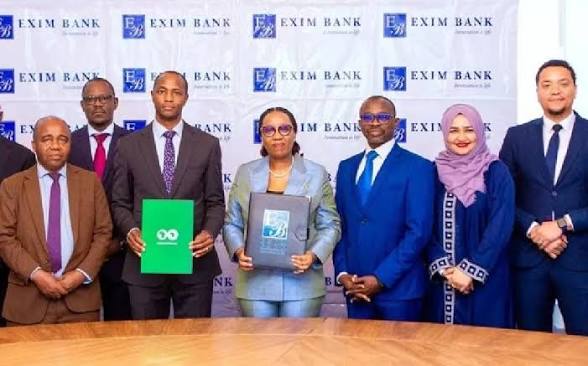
The announcement was made by Finance Minister Ambassador Khamis Mussa Omar during discussions held in Antalya, Turkey, on the sidelines of COP31. The Turkish delegation was led by Ali Guney, the bank’s Managing Director.
The two sections cover more than 700 km and have an estimated combined cost of $1.6 billion. Of this amount, $1.32 billion has already been secured, leaving a financing gap of $280 million.
The board of Exim Bank of Turkey is expected to review the financing request during November. The proposed funding is therefore still subject to approval.
A Railway Network Connecting Dar es Salaam to East African Markets
The SGR is one of Tanzania’s major railway infrastructure projects. The planned network extends over 2,000 km and is designed to connect Dar es Salaam with western regions, including Mwanza and Kigoma, while providing links to neighbouring countries such as Rwanda, Uganda, Burundi and the Democratic Republic of Congo.
The programme is divided into six sections. The first two sections, connecting Dar es Salaam and Dodoma, have already been completed and are operational.
For freight transport, the network expansion could provide an alternative to road transport along the routes concerned. It could facilitate the movement of agricultural products, industrial goods and imports from the Port of Dar es Salaam to inland regions.
The railway’s electric traction technology is another key feature of the project. It could reduce dependence on fossil fuels in railway operations, subject to actual operating conditions and the availability of reliable electricity supplies.
Why This Matters
– Transport capacity: The new sections could increase rail freight volumes and reduce pressure on certain road routes.
– Logistics costs: An operational railway connection could improve long-distance transport economics, depending on tariffs, freight volumes and the efficiency of intermodal connections.
– Regional trade: Planned links with neighbouring countries could improve access to landlocked markets in East Africa and Central Africa.
Regional Corridor Implications
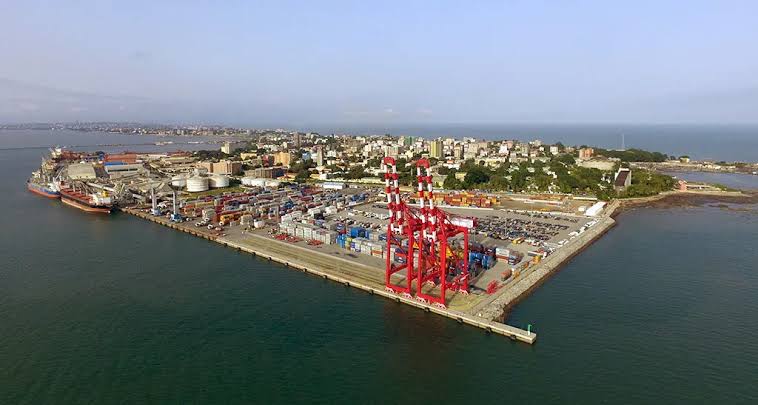
The development of the SGR could strengthen the role of the Port of Dar es Salaam in serving the East African hinterland. The project is particularly relevant to trade flows towards Rwanda, Burundi, Uganda and eastern DRC.
However, its impact will depend on infrastructure completion, rolling stock availability, terminal capacity and coordination with road networks and cross-border customs procedures.
Financing Approval: The Next Milestone for Tanzania’s SGR
The review of the financing request by Exim Bank of Turkey represents a critical step towards closing the funding gap for the two railway sections.
For Tanzania, the priority is now to turn financing negotiations into completed infrastructure and operational freight capacity.
Progress on the Tanzanian SGR will be important to monitor in assessing its impact on transport costs, delivery times and the competitiveness of regional trade corridors.