Mozambique Opens Railway Network to Private Operators to Boost Regional Freight Corridors
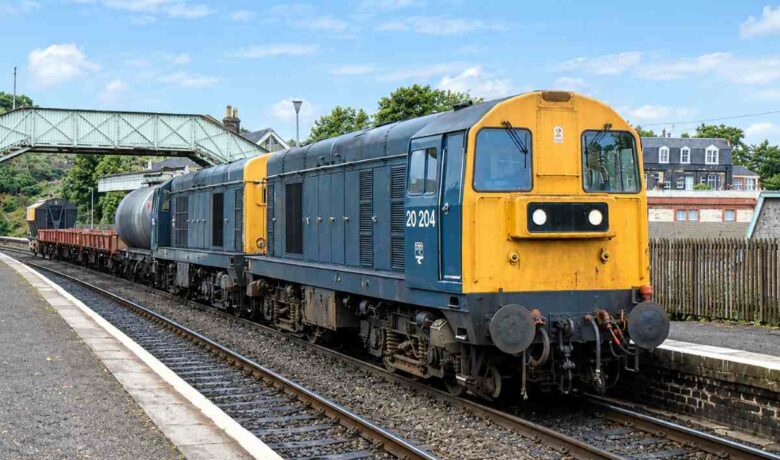
Rail & Freight. Mozambique is preparing to open parts of its national railway network to private operators as state-owned Ports and Railways of Mozambique (CFM) seeks to increase freight volumes through the ports of Maputo, Beira and Nacala. The initiative aims to strengthen trade links with South Africa, Zimbabwe and Malawi, while improving the competitiveness of rail freight across Southern Africa.
Announced on October 26, 2026, the initiative comes amid rising rail freight volumes. Mozambique’s railways transported 3.6 million tonnes of goods in the first quarter of 2026, representing a 14.9% increase compared with the same period in 2025.
CFM is preparing tenders to allow private companies to operate selected railway sections. The state-owned company has not yet disclosed which routes will be included, when applications will open or what criteria will govern the selection of operators.
The proposed reform is intended to expand freight service options for exporters and importers. Its operational impact will depend on access conditions, rolling stock availability, infrastructure capacity and service reliability.
Three railway corridors at the centre of regional trade
Mozambique’s railway network supports three strategic corridors connecting inland markets to maritime gateways.
- Maputo Corridor: The Ressano Garcia railway links southern Mozambique with South Africa, providing access to regional markets and international shipping routes.
- Beira Corridor: The Machipanda line connects Mozambique with Zimbabwe, while the Sena line provides a railway link towards Malawi.
- Nacala Corridor: This corridor carries coal from the Moatize mining basin and also serves Malawi.
For freight operators and cargo owners, the main challenge is to make rail a more reliable alternative to road transport. Shifting suitable cargo volumes from trucks to trains could ease pressure on roads and improve the movement of bulk commodities towards seaports.
However, any efficiency gains will depend on coordination between railway operators, port terminals, customs authorities and road hauliers.
Railway investment expands capacity, but reliability remains a constraint
In April 2025, Mozambique announced a 14 billion metical investment programme, equivalent to approximately $219.1 million, covering the 2025–2030 period. The programme includes additional tracks on selected lines, new locomotives and the acquisition of 250 freight wagons.
The Maputo Corridor is also receiving investment. In July 2025, Mozambique secured €144 million in financing to upgrade the railway linking Maputo to the South African border. The project is expected to increase annual freight capacity to 19 million tonnes.
Despite these investments, reliability remains a major operational challenge. In June 2026, the Confederation of Economic Associations of Mozambique called for more dependable railway services and a review of freight tariffs. Unpredictable transit times and shortages of available wagons continue to push some exporters towards road transport.
The terms of the future tenders will therefore be critical. Contracts will need to clarify investment obligations, access to railway infrastructure, operating responsibilities and tariff arrangements.
Why it matters
- Freight capacity: Private participation could expand service availability and improve access to rolling stock, depending on contractual arrangements.
- Logistics costs: More reliable rail services could offer a competitive alternative to trucking for bulk commodities and port-bound cargo.
- Regional trade: Improved railway connections could strengthen export access and supply chain resilience for landlocked countries dependent on Mozambique’s ports.
Regional outlook: Mozambique’s ports remain strategic gateways
The proposed reform has implications beyond Mozambique’s borders. Zimbabwe and Malawi depend on regional transport links to move imports and exports through maritime gateways. More predictable railway services could improve cargo planning, reduce disruptions and strengthen the commercial appeal of these routes.
For Mozambique, opening selected railway sections to private operators is a potential tool for increasing freight volumes and improving corridor performance. The outcome will depend not simply on attracting new operators, but on delivering competitive tariffs, predictable transit times and effective connections between railways and ports.