
Nigeria: Zaria-Kano Road Section Opens, Improving Freight Transport in the North
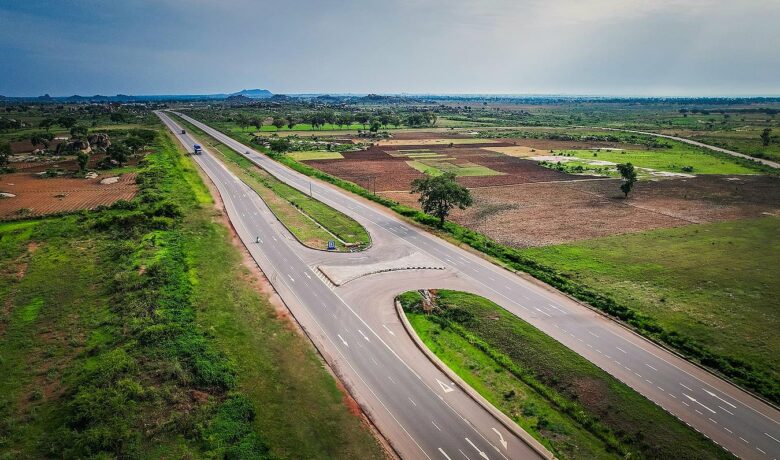
Road Transport – Nigeria: The 137 km Zaria-Kano section of the Abuja-Kaduna-Zaria-Kano highway was inaugurated on 21 October 2026. The opening is expected to improve truck movements, enhance road safety and reduce operating costs along a major commercial route in northern Nigeria.
Zaria-Kano: 137 km of Reconstructed Road to Improve Freight Flows
Nigeria has commissioned the Zaria-Kano section of the Abuja-Kaduna-Zaria-Kano highway, marking a new milestone in the reconstruction of a key road corridor in the country’s north.
President Bola Tinubu was represented at the inauguration by Kano State Governor Abba Kabir Yusuf. The 137 km section was reconstructed by Julius Berger Nigeria Plc as part of a wider 375 km road improvement programme.
The highway connects major commercial areas, including Kano, a leading trading and industrial hub, with Kaduna and other states across northern Nigeria. It carries traders, commercial vehicles, agricultural produce, manufactured goods and other freight.
For logistics operators, the improved road surface is expected to reduce delays caused by deteriorating road conditions. It could also lower vehicle maintenance expenses, reduce wear and tear, and improve journey times. Actual gains will depend on traffic conditions, security and the quality of ongoing road maintenance.
Abuja-Kaduna-Zaria-Kano Highway: Reconstruction Still Incomplete
The reconstruction programme was awarded in 2017 and launched in 2018. It was divided into three sections, two of which have now been completed.
The 73.4 km Kaduna-Zaria section and the 137 km Zaria-Kano section are operational. However, work remains underway on the 165 km Abuja-Kaduna link.
The entire corridor has therefore not yet been fully reconstructed.
The project has experienced delays linked to funding constraints, security challenges and technical adjustments. These issues continue to affect the reliability of road transport between Nigeria’s federal capital and its northern commercial centres.
For trucking companies and freight forwarders, the opening of Zaria-Kano improves one part of the route but does not guarantee shorter transit times across the entire corridor. End-to-end performance will also depend on progress on the Abuja-Kaduna section.
Why It Matters
- Potential reduction in logistics costs: A better road surface can reduce vehicle maintenance requirements, delays and costs associated with inefficient operations.
- Improved freight movements: Agricultural products, manufactured goods and commercial cargo can benefit from improved road conditions between Zaria and Kano.
- Greater road safety and delivery reliability: Reduced road deterioration risks can improve transport conditions, provided that road maintenance and traffic enforcement remain effective.
Regional Implications for West African Trade Corridors
The Abuja-Kaduna-Zaria-Kano highway is an important domestic freight route serving northern Nigeria’s markets. Kano also acts as a major concentration point for commercial and industrial activity, with trade links to other parts of Nigeria and neighbouring Sahelian markets.
Rehabilitation of the highway could support regional freight flows by improving road connectivity to commercial distribution centres. However, the impact on cross-border trade will also depend on infrastructure continuity, customs procedures and security conditions along connecting routes.
Completing the Corridor Remains the Next Priority
The opening of the 137 km Zaria-Kano section upgrades a strategic part of Nigeria’s road network. To deliver broader gains in freight transport and logistics efficiency, the next priority is completing the Abuja-Kaduna link while ensuring consistent road maintenance and improved safety.