DRC: $9 Billion Tramway Project Planned for Kinshasa and Lubumbashi
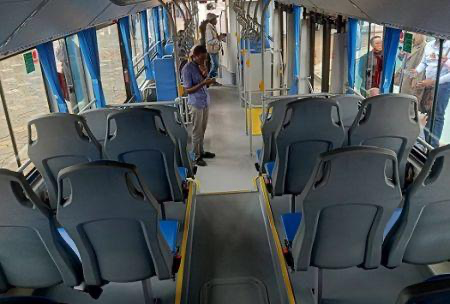
The Congolese government and its partners have validated a $9 billion budget estimate for a future tramway network in Kinshasa and Lubumbashi. This major infrastructure project aims to relieve severe urban congestion in the capital and establish high-capacity express transport links.
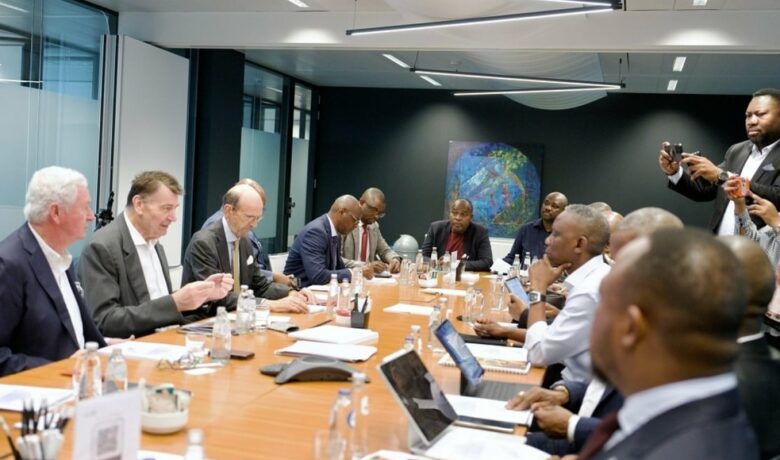
The Ministry of Infrastructure and Public Works of the Democratic Republic of the Congo (DRC) presented a $9 billion (€7.94 billion) financial package on September 24, 2026, in Brussels for the construction of a light rail network in Kinshasa and Lubumbashi. The project brings together the Congolese Agency for Grands Travaux (ACGT), the Kinshasa Tramway Consortium, and Chinese engineering group PowerChina.
A 7-Line Interconnected Network Featuring an Airport Tunnel Link
The project plan includes 7 interconnected transit lines. The primary axis features an express route for Kinshasa combining elevated and underground sections built via tunnel boring machines, connecting the Gombe business district directly to N’djili International Airport.
Key technical specifications of the development include:
Dedicated Power Supply: Installation of an independent electrical feed to bypass public grid instabilities.
Climate Resilience: Enhanced drainage systems designed to prevent flooding during the rainy season.
Multimodal Integration: Direct connection points with local minibus taxis and motorcycle transport services for last-mile feeder transit.
Financially structured as a public-private partnership (PPP), PowerChina’s initial funding model is tied to concession rights for two copper and cobalt deposits, though full contract details remain undisclosed. The consortium projects the commissioning of the first express line by November 2027.
Why It Matters
Decongestion of the Capital: Kinshasa’s population exceeds 21 million. High-capacity rail transit will reduce bottlenecking on main arteries and cut daily commute times.
Airport Corridor Reliability: The Gombe–N’djili express line will secure schedule reliability for passenger transfers and light cargo to the airport.
Resource-Backed Infrastructure Model: Leveraging mineral concessions to fund urban mobility serves as a test case for project sustainability in the DRC.
Regional Outlook
Amid rapid urbanization, major metropolitan areas across Central and Southern Africa are seeking structured alternatives to road transport. Similar to rail expansion in South Africa and Abidjan’s BRT system, long-term maintenance costs and integration with informal transport systems remain critical challenges for execution.
Final realization of the DRC tramway will depend on the definitive commercial agreement and the physical execution of civil engineering works.