DRC: Local Rail Manufacturing Enters Industrial Strategy Linked to Lobito Corridor

Rail & Freight — DRC / Angola. The Democratic Republic of Congo is seeking investors to transform its iron ore into steel and railway tracks, with the aim of supporting rail infrastructure development in Africa.
DRC targets local rail manufacturing to support railway development
DRC Deputy Prime Minister in charge of Transport, Communication Routes and Disenclavement, Jean-Pierre Bemba, presented the proposal on September 28, 2026, in Luanda, during the Angola Hub Transport & Logistics Summit 2026.
The objective is to attract a consortium capable of covering several stages of the industrial chain: iron ore extraction, steel production and rail manufacturing.
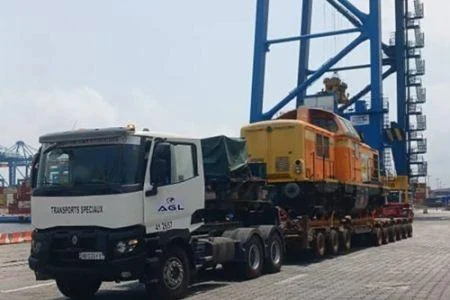
For the DRC, the issue goes beyond mineral processing. Local or regional rail manufacturing could supply part of the materials required for new railway projects and rehabilitation programs while reducing reliance on imported products.
Rail, steel and infrastructure form a single logistics challenge
The availability of railway materials is a key factor in the development of new lines and the rehabilitation of existing networks. Producing rails closer to African markets could reduce some international supply constraints, including transport distances and lead times for heavy equipment.
The project, however, remains at the stage of identifying industrial and financial partners. No production timeline or manufacturing capacity was announced during the summit.
For the DRC, the initiative is also linked to the country’s mineral resources. The government is seeking to move beyond the export of raw materials toward greater local processing and industrial value creation.
Lobito Corridor provides a strategic context
The proposal comes as the DRC, Zambia and Angola continue developing the Lobito Corridor, a railway and logistics route designed in particular to facilitate the movement of minerals from Central Africa toward the Atlantic coast.
A regional steel and rail manufacturing industry could eventually create new industrial freight flows along the corridor. It could also bring mining, manufacturing and railway supply chains closer together, provided that power, rail and port infrastructure develop at the required scale.
Why it matters
- Rail supply: Regional production could reduce dependence on imported rails for some infrastructure projects.
- Industrial logistics: Converting iron ore into steel and railway tracks would add further stages of value creation within Africa’s supply chains.
- Lobito Corridor: Industrial activity linked to the corridor could generate additional freight flows between the DRC, Angola and regional markets.
A wider perspective for African corridors
The proposal reflects a broader effort to connect mining, manufacturing, railways and ports. For African corridors, the issue is therefore shifting beyond the evacuation of raw materials toward the development of industrial value chains around transport infrastructure.
The next steps will involve identifying industrial partners, determining the investment requirements, securing energy supplies and assessing the production capacity needed to make African rail manufacturing commercially viable.
Rail manufacturing in the DRC remains a project to be structured, but the proposal puts steel processing and railway supply at the centre of discussions on the future development of the Lobito Corridor.