Guinea: Six Locomotives Strengthen the Simandou Rail Freight Corridor
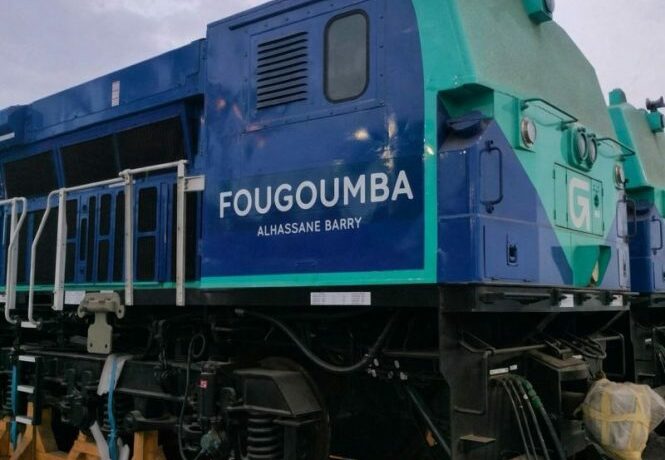
Rail & rail freight — Guinea. Six new locomotives have been delivered to the Compagnie du TransGuinéen (CTG) as the Simandou rail corridor moves into a progressive operational phase.
Simandou: six locomotives to expand rail freight capacity
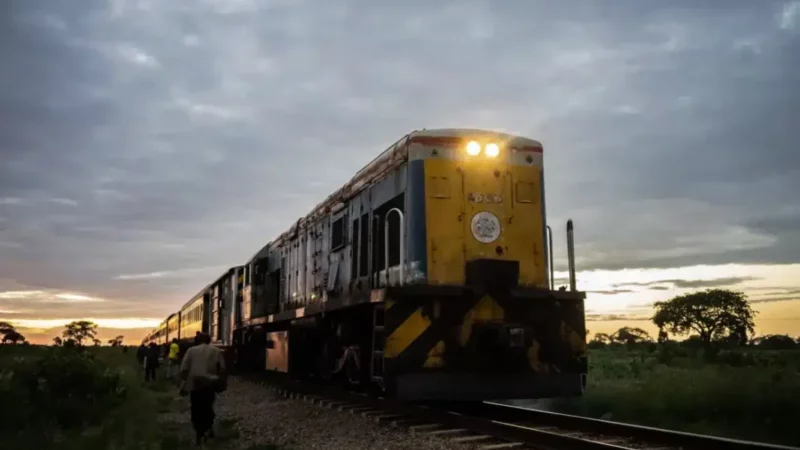
On 1 July 2026, six locomotives intended for the Compagnie du TransGuinéen (CTG) were received in Guinea as part of the Simandou project. The units are being progressively integrated into the railway network under construction.
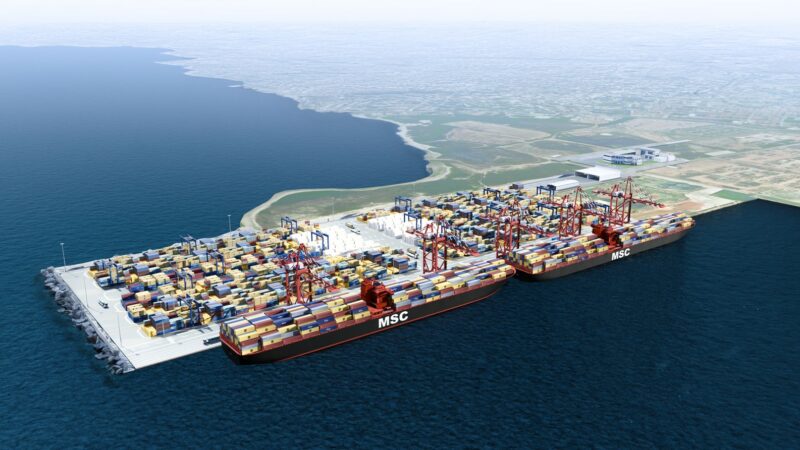
The delivery comes as Guinea develops the infrastructure needed to connect the Beyla and Kérouané mining areas with the future deep-water port of Moribaya.
The immediate operational objective is to build the rail capacity required to move the iron ore volumes expected from the project.
A rail corridor spanning more than 650 km
The Simandou programme includes a double-track railway network of more than 650 kilometres. The system is designed to connect the mining areas in southeastern Guinea with the planned port infrastructure on the country’s coast.
The arrival of the six locomotives provides part of the rolling stock required to progressively test and increase the operating capacity of the corridor.
For logistics operators, the key challenge will be to synchronise three components: mining production, rail transport and port evacuation.
The overall performance of the system will depend on the railway’s ability to handle mining volumes while maintaining regular train cycles between extraction sites and the port.
Operational impact: capacity and flow reliability
The main short-term impact concerns the preparation of the rail capacity required for the corridor’s future operations.
A mining railway of this scale requires more than locomotives. It also needs maintenance facilities, available train paths and an operating system capable of maintaining regular rotations.
The key indicators will therefore include locomotive utilisation rates, train frequency, loading and unloading times, maintenance cycles and overall network availability.
These parameters will ultimately influence the cost of moving ore and the corridor’s ability to support export volumes.
The six locomotives have been named Faranah, Kindia, N’Zérékoré, Boké, Labé and Kankan, after regions of Guinea.
Why it matters
Rail capacity
The availability of locomotives is a basic operating requirement for bringing the Simandou rail corridor into service progressively.
Mine-to-port connectivity
The railway is expected to provide the link between the country’s iron ore deposits and the future Moribaya port.
Logistics performance
Regular rail rotations will be critical for controlling evacuation times and the logistics costs associated with transporting the ore.
A corridor with regional implications
The Simandou corridor extends beyond mining logistics. Its development is taking place alongside Guinea’s efforts to expand and modernise its rail and port infrastructure.
Once operational, the network could also reshape freight flows around Guinean ports and generate demand for complementary logistics services.
At the West African level, the key question will be whether the infrastructure can support wider logistics capabilities, including rail maintenance, port services, inland transport, storage and industrial subcontracting.
The arrival of six locomotives in Guinea marks another operational step for the Simandou rail freight corridor. With more than 650 km of planned double-track railway connecting the mining areas to Moribaya, the next challenge is to convert infrastructure and rolling stock into regular, measurable and cost-efficient freight capacity.