Mozambique Plans Nearly $7.5 Billion Investment to Modernise Three Strategic Logistics Corridors
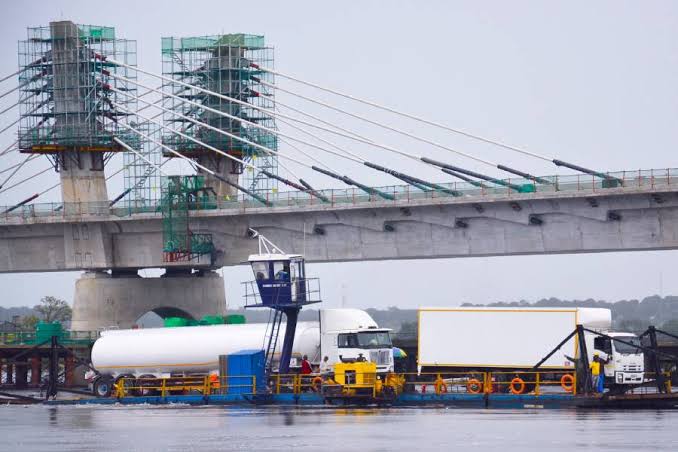
Mozambique is planning nearly $7.5 billion in investments in its port, railway, road and border infrastructure. The programme targets the Maputo, Beira and Nacala corridors, aiming to increase freight capacity and diversify trade routes across Southern Africa.
Three corridors at the centre of the investment programme
Regional Corridors – Mozambique. Mozambican President Daniel Chapo has announced an investment programme estimated at nearly $7.5 billion to modernise the country’s three main logistics corridors. The planned investments cover ports, railways, roads, logistics platforms and border facilities.
According to information released by the authorities, approximately $2 billion is currently being invested in the Maputo Corridor, while more than $1 billion has been allocated to the Beira Corridor. The amount earmarked for Nacala has not yet been disclosed.

The programme aims to improve freight connections between Mozambique’s ports and inland markets across Southern Africa, particularly South Africa, Zimbabwe and Malawi.
Maputo Corridor: Strengthening trade links with South Africa
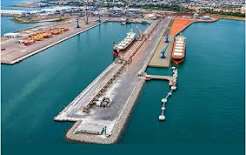
In southern Mozambique, the Maputo Corridor accounts for a significant share of the announced investments. Projects include port modernisation, improvements to the EN4 national highway and upgrades to border infrastructure connecting Mozambique with South Africa.
The Ressano Garcia railway line is another critical component of this corridor. It provides an important freight connection between the two countries and supports cargo movements towards port facilities.
These infrastructure improvements are expected to facilitate transit operations and reduce bottlenecks affecting transport companies and cross-border trade operators.
Beira Corridor: Expanding freight capacity for Zimbabwe and Malawi
The Beira Corridor primarily serves Zimbabwe and Malawi through the Machipanda and Sena railway lines.
The investment programme includes the expansion of logistics infrastructure, the construction of an inland port at Dondo and improvements to border connections at Machipanda.
Additional storage and cargo-handling capacity could improve consolidation, deconsolidation and transfers between different transport modes.
For importers and exporters in Zimbabwe and Malawi, the corridor represents an alternative route to international markets through other regional ports.
Nacala Corridor: A railway outlet for mining and commercial freight
In northern Mozambique, the Nacala Corridor plays an important role in transporting goods from the Moatize mining basin. It also provides freight connections with Malawi.
Its development is expected to improve railway transport capacity and access to Nacala’s port facilities.
However, the investment allocation for this corridor remains unclear, particularly regarding the financial breakdown and implementation timetable.
Why this matters
- Diversification of trade routes: Landlocked countries such as Zimbabwe and Malawi could gain additional options for accessing international markets.
- Reduced logistics risks: Multiple maritime gateways can reduce dependence on a limited number of major transport routes.
- Freight competitiveness: Improvements to railway, road and port infrastructure could reduce cargo-handling bottlenecks, transit times and certain logistics costs.
A competitiveness challenge for Southern Africa
Mozambique’s investment programme comes as disruptions across parts of the region’s transport networks have highlighted the risks of relying heavily on a limited number of logistics routes.
For countries within the Southern African Development Community (SADC), the Maputo, Beira and Nacala corridors could strengthen connections between production centres, inland markets and maritime gateways.
However, announced investments will not automatically translate into improved logistics performance. Funding availability, project execution, reliable rail and road services, and efficient border procedures will determine the actual benefits.
With nearly $7.5 billion in planned investments, Mozambique is positioning its three logistics corridors as strategic routes for regional freight transport. Their competitiveness will ultimately depend on reliable transit times, operational efficiency and attractive freight costs.