Nigeria: Lagos Expands Red Line Fleet with Three New Trains
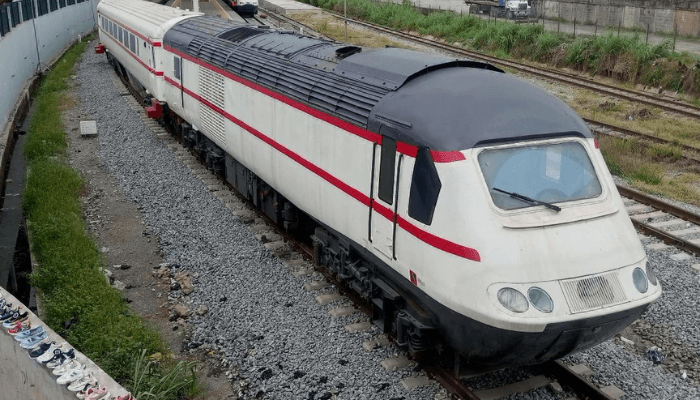
Lagos, Nigeria – The rail and urban mobility sector in Nigeria is set to receive a capacity boost following the arrival of three additional train sets for the Lagos Rail Mass Transit (LRMT) Red Line. The new rolling stock is expected to increase passenger capacity and improve service frequency along the Agbado–Oyingbo corridor.
Lagos Adds 24 Rail Cars to Its Red Line Fleet
The Lagos State Government has begun unloading three new train sets for the Red Line of the Lagos Rail Mass Transit network. The operation was announced on November 10, 2026, by Jubril Gawat, Senior Special Assistant to Governor Babajide Sanwo-Olu on New Media, in a post on his official X account.
According to the announcement, the acquisition comprises 24 rail cars across three train sets. The procurement received support from the Nigerian Federal Government under President Bola Tinubu.
The objective is to increase the network’s passenger-carrying capacity and improve service frequency along the Agbado–Oyingbo railway corridor, which serves several densely populated areas of the Lagos metropolitan region.
Lagos Red Line: Increasing Capacity Along the Agbado–Oyingbo Corridor
The Red Line is a key component of Lagos’s urban rail transport network. It connects Agbado, on the northern outskirts of the metropolitan area, to Oyingbo, closer to the city’s central districts.
In a city facing persistent road congestion, expanding rail services is part of the strategy to shift a greater share of daily passenger movements from roads to higher-capacity public transport.
The arrival of the additional train sets should provide more rolling stock for scheduled operations. It could also improve service planning, increase operational flexibility and reduce constraints linked to train availability.
However, the additional passenger capacity, the exact configuration of each train set and the timeline for commercial deployment have not yet been disclosed.
Rolling Stock Availability and Service Reliability Remain Key Challenges
Beyond the acquisition of new trains, the effectiveness of the expansion will depend on several operational factors, including infrastructure availability, maintenance capacity, service scheduling and the management of intervals between trains.
The additional rolling stock will therefore need to be supported by adequate maintenance facilities and efficient operating arrangements to deliver measurable improvements in service frequency.
Federal government support also highlights the importance of coordination between national and state authorities in financing and delivering urban transport infrastructure.
Why This Matters
– Passenger capacity: Three additional train sets are expected to strengthen transport capacity along the Agbado–Oyingbo corridor.
– Road congestion: Expanding rail services could reduce pressure on some of Lagos’s busiest road networks.
– Operational performance: Rolling stock availability and maintenance will be critical to improving service frequency and reliability.
A Wider Challenge for African Cities
Lagos reflects the challenges facing major African cities as population growth and urban expansion increase daily mobility requirements.
Investment in urban rail networks is becoming an important tool for improving connectivity, reducing the indirect economic costs of congestion and supporting metropolitan economic activity.
Other African cities, including Abidjan, Cairo and Addis Ababa, are also developing rail-based transport solutions to address similar urban mobility pressures.
With the arrival of three additional train sets, Lagos is continuing to expand the operational capacity of its Red Line. The next key indicators will be the effective deployment of the new trains and their contribution to passenger capacity, service frequency and operational reliability across the Nigerian city’s urban rail network.