
Kenya: $900 Million SGR Overrun Raises Questions Over Railway Project Costs
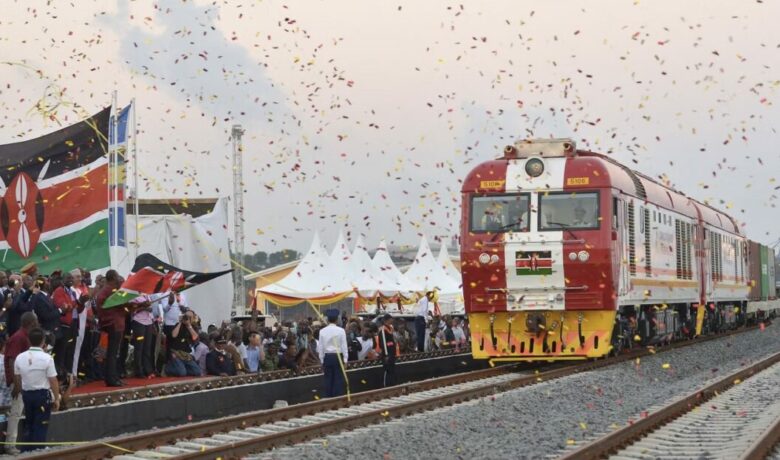
Kenya may have spent up to $900 million more than necessary to build its Standard Gauge Railway (SGR), according to estimates attributed to the World Bank. The alleged overrun, linked to corruption risks and irregularities in public procurement, raises questions about the actual cost of major railway infrastructure projects in East Africa.
$900 Million in Alleged Excess Costs for Kenya’s Railway Network
Rail & Rail Freight – Kenya. The construction of Kenya’s Standard Gauge Railway (SGR), which connects the port of Mombasa to inland destinations, may have generated up to $900 million in excess expenditure. The figure was reported by Afrimag on November 6, 2026, based on an analysis attributed to the World Bank.
The project, involving Chinese companies, has come under scrutiny over allegations of corruption, fraud and irregularities in contract award procedures. These issues are believed to have contributed to the overall construction costs.
The cost discrepancy becomes particularly significant when Kenya’s railway expenditure per kilometre is compared with similar projects in Tanzania and Ethiopia. According to the reported findings, both countries developed electrified railway infrastructure, with more advanced technical specifications, at a lower cost per kilometre.
This comparison raises an important operational question: how could a less technically equipped railway infrastructure cost more to build?
Implications for Freight Transport Costs and Logistics Competitiveness
The SGR plays an important role in moving cargo from the port of Mombasa to Kenya’s main inland economic centres. It is also a key component of the logistics chain connecting port facilities with domestic markets.
Excessive initial investment costs can have long-term consequences for the financial sustainability of railway operations. Debt repayments, operating expenses and maintenance requirements can reduce the financial flexibility of both the operator and the government.
For cargo owners and transport operators, the issue goes beyond construction expenditure. The network’s economic performance also depends on its ability to offer competitive freight rates, maintain reliable train schedules and ensure effective integration between rail and road transport.
The World Bank also estimates that corruption increases Kenya’s annual fiscal deficit by approximately two percentage points of GDP. It argues that improved governance could increase the country’s GDP by more than 20% over a decade and reduce annual sovereign borrowing costs by up to $100 million.
Why It Matters
- For cargo owners: Excessive infrastructure investment costs could undermine the ability to offer competitive rail freight rates.
- For investors: Transparency in public procurement is becoming a critical factor in assessing infrastructure investment risks.
- For governments: Better cost control in infrastructure projects would help preserve public resources for maintenance, network expansion and logistics facilities.
Regional Implications for East African Trade Corridors
The comparison between Kenya, Tanzania and Ethiopia comes amid continued investment in railway infrastructure across East Africa. These networks are expected to strengthen connections between seaports, industrial centres and inland markets.
For East African countries, the challenge is no longer limited to building new railway lines. It also involves ensuring their financial sustainability, operational efficiency and integration into regional trade corridors.
The Kenyan SGR case highlights how infrastructure costs and procurement practices can influence the long-term competitiveness of railway freight networks.
Ultimately, the performance of an African railway corridor begins long before operations start. It depends on sound project planning, transparent procurement and effective control of infrastructure costs.